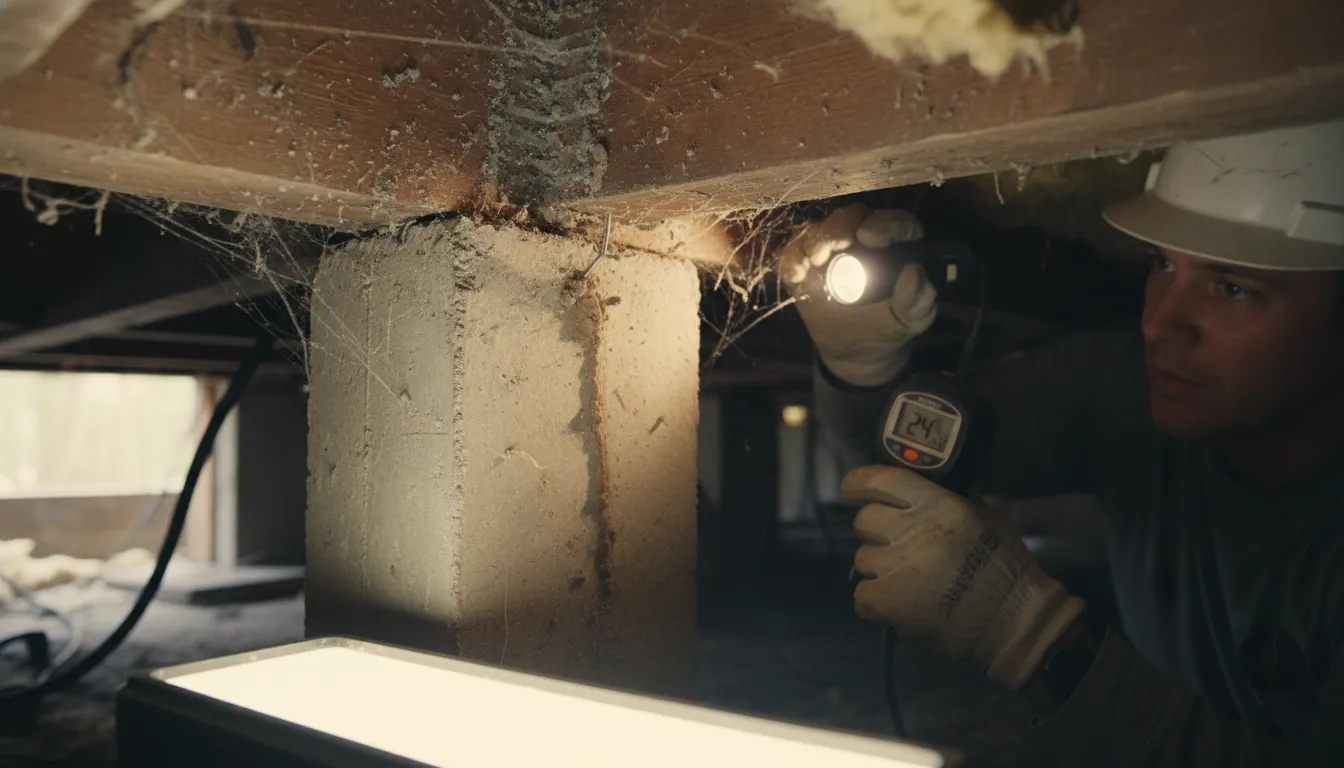
Find the Best Termite Inspection Companies for Your Business
No obligation • Fast responses • Nationwide coverage

Why you can trust Pest Crews
Pest Crews is a leading U.S. resource for finding and evaluating residential and commercial pest control services. Our team researches providers, reviews treatment approaches, and organizes unbiased information to help you make informed decisions. Companies cannot pay to change our editorial content or influence how they appear.
Search providers near you
Top Termite Inspection Companies in Tulare, California Ranked
A termite inspection is a critical evaluation of your property to identify active infestations, past damage, and conditions that could attract these destructive pests. In Tulare, where subterranean and drywood termites are common, this service is essential for protecting your home's structural integrity and value. This guide will help you understand what a termite inspection entails, what local inspectors look for, and how to find qualified professionals to assess your property.
Why Termite Inspections Are Crucial in Tulare
Termites are a silent threat, often causing significant structural damage before homeowners notice any signs. In Tulare County, the warm climate and agricultural landscape can create ideal conditions for termite colonies to thrive. A professional termite inspection, or wood-destroying organism (WDO) inspection, is your first line of defense. It provides a clear picture of your home's vulnerability, identifies active problems, and forms the basis for any necessary treatment plan. For those involved in real estate transactions, a formal inspection report is often a mandatory step to satisfy lender requirements and ensure a transparent sale.
Common Termite Species in Tulare
Understanding the local termite species helps clarify what inspectors are searching for.
- Subterranean Termites: This is the most common and destructive type in the region. They live in underground colonies and construct distinctive mud tubes to travel between their nest and food sources (the wood in your home). Inspectors pay close attention to foundations, crawlspaces, and areas of soil contact for signs of these tubes.
- Drywood Termites: Unlike their subterranean cousins, drywood termites live inside the wood they consume. They require no contact with soil and can infest attic framing, furniture, and siding. Evidence of drywood termites includes piles of their fecal pellets, called frass, which resemble fine sawdust or coffee grounds 1.
Key Signs Inspectors Look For
A trained inspector conducts a meticulous visual examination of your property, both inside and out, searching for specific indicators of termite activity and damage.
- Mud Tubes: These pencil-sized tunnels made of soil and saliva are the hallmark of subterranean termites. They are often found on foundation walls, in crawlspaces, or along plumbing penetrations.
- Frass: The presence of drywood termite droppings, which are small, six-sided pellets, often indicates an active infestation nearby.
- Damaged Wood: Inspectors will probe wood with a tool to check for hollow-sounding or easily punctured timber. They look for wood that appears crushed, has a honeycombed interior, or shows blistering or darkening.
- Discarded Wings: Reproductive termites (swarmers) shed their wings after finding a mate. Piles of tiny, identical wings near windowsills, doors, or in spider webs are a common sign of a nearby colony 2.
- Conducive Conditions: Beyond active signs, inspectors note conditions that invite termites. These include earth-to-wood contact (like soil touching siding or posts), excessive moisture from leaks or poor drainage, wood debris (lumber, tree stumps) near the home, and poor ventilation in crawlspaces 3.
The Inspection Process: A Step-by-Step Walkthrough
A comprehensive termite inspection follows a systematic approach to ensure no area is overlooked.
1. Exterior Inspection
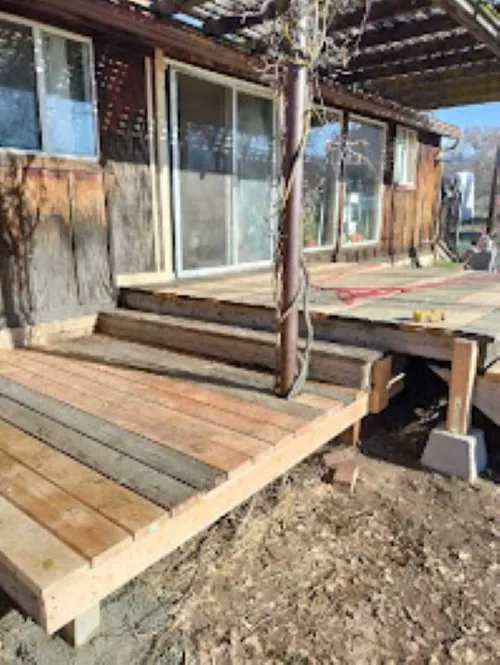
The inspector begins outside, walking the entire perimeter of your home. They examine the foundation for mud tubes and cracks, check siding and trim for damage or entry points, and inspect all wooden structures attached to the house, such as decks, fences, and porches. The roofline, eaves, and vents are also scrutinized for signs of drywood termite activity or moisture issues.
2. Interior Inspection
Inside, the inspector will examine every room. This includes checking baseboards, window and door frames, and areas under sinks for moisture or damage. Closets, pantries, and other storage areas are inspected, as termites often go unnoticed behind stored items. They will look for any cracks in walls or ceilings that might indicate hidden damage 4.
3. Attic and Crawlspace Examination
These critical, often hidden areas receive thorough attention. In the attic, the inspector examines the roof sheathing, rafters, and support beams for frass, damaged wood, or moisture stains. In the crawlspace, they look for mud tubes on piers and foundation walls, check vapor barriers, and assess overall moisture levels and ventilation. These spaces are primary hotspots for both subterranean and drywood termite activity.
4. The Inspection Report
Following the assessment, you will receive a detailed report. A quality report often includes a diagram of your property noting the location of any findings. It will classify issues into active infestations, old damage (from previous treatments), and conducive conditions that need correction to prevent future problems 5 6. This report is the formal document used to plan remediation or provide clearance in real estate transactions.
Find the perfect termite inspection companies for your needs
Get personalized recommendations and expert advice
Understanding Inspection Costs in Tulare
The cost of a termite inspection in Tulare can vary based on the size of your home and the type of report needed. For a standard visual inspection of a typical single-family home (under 2,500 square feet), homeowners can generally expect to pay between $100 and $1507. If you are buying or selling a home and require a formal report for escrow-often called a Section 1 clearance report-the cost typically increases by an additional $75 to $1007. It's important to note that this fee is for the inspection and report only; any recommended treatments are priced separately and can range from several hundred to several thousand dollars depending on the severity of the infestation and the treatment method required.
How to Prepare for Your Inspection
To ensure the inspection is as thorough and efficient as possible, a little preparation is helpful:
- Clear Access: Move boxes, stored items, and furniture away from interior walls, especially in garages, basements, and closets 8.
- Expose Areas: Clear out the space under sinks in kitchens and bathrooms.
- Ensure Entry: Make sure the inspector has clear access to the attic hatch and crawlspace entrance.
- Secure Pets: For the safety of both the inspector and your animals, secure pets in a room or outside during the inspection 9.
Frequently asked questions
Sources
Footnotes
-
Termite Problems in Tulare County - San Joaquin Pest Control - https://www.sanjoaquinpestcontrolinc.com/blog/termite-problems-in-tulare-county/ ↩
-
Termites - Tulare Pest Control Experts - https://tularepestcontrolexperts.com/termites/ ↩
-
Termite Inspections: What to Expect and How to Prepare - https://www.petrispestcontrol.com/termite-control/termite-inspections-what-to-expect/ ↩
-
What Does A Termite Inspector Look For? - AG Pest Control - https://www.agpest.com/what-does-a-termite-inspector-look-for/ ↩
-
Termite Control in California | Western Exterminator - https://www.westernexterminator.com/local-branches/california/termites ↩
-
Full Guide to Professional Termite Inspections for Home Inspectors - https://www.homegauge.com/learning/home-inspectors-termites/ ↩
-
California Termite Inspection: Sections 1-3 Explained - https://www.usrealtytraining.com/blogs/termite-inspection-real-estate ↩ ↩2
-
Termite Inspection - https://www.specialtyteam.com/?page_id=301 ↩
-
How to Prepare Your House for a Termite Inspection? - https://www.hitechtermite.com/articles/how-to-prepare-your-house-for-a-termite-inspection ↩