Find the Best Termite Inspection Companies for Your Business
No obligation • Fast responses • Nationwide coverage

Why you can trust Pest Crews
Pest Crews is a leading U.S. resource for finding and evaluating residential and commercial pest control services. Our team researches providers, reviews treatment approaches, and organizes unbiased information to help you make informed decisions. Companies cannot pay to change our editorial content or influence how they appear.
Search providers near you
Top Termite Inspection Companies in West Covina, California Ranked
A professional termite inspection is a critical evaluation of your property to detect active infestations, past damage, and conditions that could attract these destructive pests. In West Covina, where both subterranean and drywood termites are common, this service is essential for protecting your investment, whether you're buying a home, selling one, or simply maintaining your property. This guide will help you understand what a termite inspection entails, what inspectors look for, and how to use this information to find qualified local professionals to assess your home.
HomeShield Pest Control
6108 Venice Blvd., Los Angeles, CA 90034
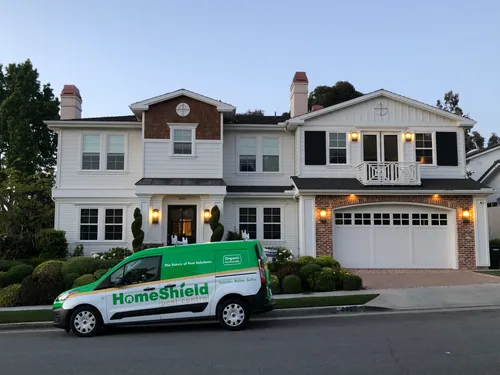
HomeShield Pest Control offers eco-friendly pest control services in Los Angeles, CA. They specialize in residential and commercial pest management, including bed bug treatment, rodent control, termite inspections, and mosquito control. The company uses green pesticide solutions from EcoSMART, focusing on child and pet safety. HomeShield serves a broad area including Sacramento, the Bay Area, Orange County, San Diego, the Inland Empire, and South Florida. They emphasize a professional and ethical approach to pest control and provide a 100% service satisfaction guarantee with unlimited maintenance calls.
HomeShield Pest Control
701 E Ball Rd, Anaheim, CA 92805
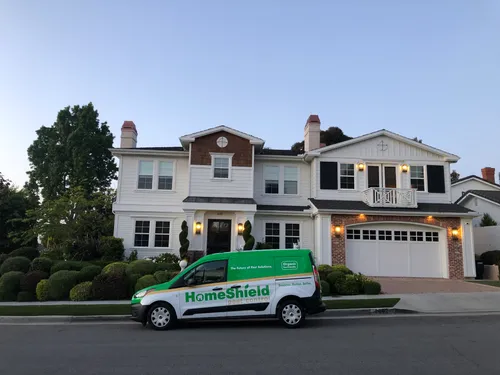
HomeShield Pest Control offers eco-friendly pest control services in Irvine, CA, specializing in treatments for bed bugs, cockroaches, ants, rodents, termites, and mosquitoes. They provide both residential and commercial pest management using green pesticide solutions from EcoSMART. HomeShield is locally owned and focuses on safe, child- and pet-friendly pest control methods. Their service areas include multiple regions across California and South Florida. The company emphasizes a professional and ethical approach to pest control, backed by a 100% service satisfaction guarantee and unlimited maintenance visits between scheduled services.
Elite Group Inspection Professionals
9480 Utica Ave #608, Rancho Cucamonga, CA 91730
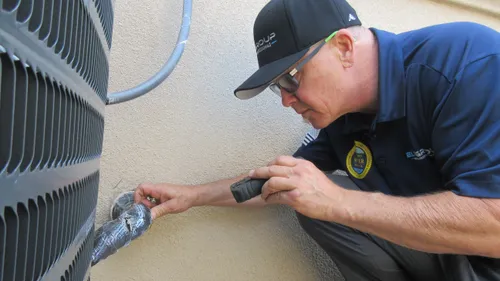
Elite Group Inspection Professionals offers comprehensive termite inspection and home inspection services in San Bernardino, CA. Serving the local community and surrounding Southern California areas, they provide detailed evaluations including termite inspections, mold testing, roof certification, and more. Established in 1984, Elite Group has extensive experience conducting thorough inspections with trained technicians. Their capabilities include specialized services such as sewer scope inspections and infrared thermal imaging to detect hidden issues.
HomeShield Pest Control
2340 E Artesia Blvd, Long Beach, CA 90805
HomeShield Pest Control offers eco-friendly pest control services in Los Angeles, CA, specializing in residential and commercial pest management. Their services include bed bug treatment, rodent control, termite inspections, and mosquito control, using green products from EcoSMART. The company emphasizes safe, child- and pet-friendly solutions and provides a 100% service satisfaction guarantee with unlimited maintenance calls. HomeShield serves a broad area including Sacramento, the Bay Area, Orange County, San Diego, the Inland Empire, and South Florida.
HomeShield Pest Control
850 E Parkridge Ave STE 113, Corona, CA 92879
HomeShield Pest Control offers eco-friendly pest control services in Irvine, CA, focusing on child and pet-safe solutions. They provide a range of services including home and commercial pest control, rodent and termite control, bed bug treatment, and mosquito control. HomeShield uses green pesticide products from EcoSMART, known for their 100% green insecticides. The company serves multiple regions including Orange County and the Inland Empire. They emphasize a professional and ethical approach to pest management and back their work with a 100% satisfaction guarantee and unlimited maintenance calls between scheduled services.
Why Termite Inspections Are Crucial in West Covina
Termites are a persistent threat in Southern California, causing billions of dollars in damage annually. In West Covina, the warm climate provides an ideal environment for both subterranean and drywood termite species to thrive 1. A thorough termite and pest evaluation is not just a formality for real estate transactions; it's a proactive measure for any homeowner. Undetected infestations can compromise the structural integrity of your home, leading to costly repairs that are often not covered by standard homeowners insurance. Regular inspections can identify early signs of activity or conducive conditions, allowing for targeted treatment before significant damage occurs.
What a Professional Inspector Looks For
A comprehensive termite inspection in West Covina involves a meticulous visual examination of both the interior and exterior of a structure. Licensed inspectors are trained to identify subtle signs that an untrained eye would easily miss.
Exterior Inspection Points
The inspection begins outside, where inspectors focus on areas where termites are most likely to gain entry or find moisture.
- Foundation and Slab: Searching for mud tubes-pencil-sized tunnels that subterranean termites build to travel from soil to wood-is a primary task. Inspectors also look for cracks or gaps in the foundation.
- Wood-to-Soil Contact: Any structural wood, such as siding, door frames, or deck posts, that touches the soil is a major red flag and a direct invitation for termites.
- Ventilation and Landscaping: Crawlspace vents are checked for proper screening. The perimeter is examined for wood piles, tree stumps, or excessive mulch against the foundation, which can harbor termites.
Interior Inspection Points
Inside the home, the inspector will examine vulnerable areas where termites are known to hide and feed 2.
- Attics, Crawlspaces, and Basements: These dark, often humid areas are prime targets. Inspectors look for damaged or hollow-sounding wood, mud tubes on foundation walls, and the presence of frass-the distinctive, sand-like droppings left by drywood termites.
- Windows, Doors, and Plumbing: The areas around window sills, door frames, and plumbing penetrations are checked for moisture damage and soft wood, which can indicate hidden activity.
- Moisture Sources: Since termites are attracted to moisture, a key part of the inspection is identifying conducive conditions like leaky pipes, poor drainage, or standing water 3.
Understanding the Two Main Termite Threats
West Covina homeowners typically face two types of termites, each requiring different detection and treatment approaches.
Subterranean Termites are the most common and destructive species in California. They live in colonies underground and build the characteristic mud tubes to access food sources above. They are attracted to moisture and are often found in damp soil around foundations. An inspection will pay special attention to areas where wood and moisture meet 4.
Drywood Termites, on the other hand, infest dry, sound wood and do not require contact with soil. They create colonies inside wooden structures like attic framing, furniture, or siding. The key sign of a drywood termite infestation is the presence of frass, which they push out of tiny "kick-out" holes in the wood 5 6.
The Inspection Report: Decoding Section 1 and Section 2
After the visual assessment, you will receive a detailed termite inspection report. In California, these reports are standardized and crucial for real estate transactions. Understanding the terminology is key 7.
- Section 1 Items: This section lists areas where there is visible evidence of an active infestation or clear, undisputed damage caused by wood-destroying pests or organisms. If Section 1 items are found, most lenders will require treatment and repair before funding a loan.
- Section 2 Items: This section notes conducive conditions that are likely to lead to a future infestation but where no active pests are currently visible. Examples include excessive moisture, earth-to-wood contact, or fungus decay. Addressing Section 2 items is a wise preventative measure for any homeowner 8.
A clear report helps you understand the immediate threats to your property and the long-term maintenance needed to keep it protected.
Find the perfect termite inspection companies for your needs
Get personalized recommendations and expert advice
What to Expect: Cost, Duration, and Process
Knowing what to expect logistically can help you prepare for a termite inspection.
Typical Cost: In West Covina, the average cost for a standard termite inspection ranges from $100 to $200 9 10. The final price depends on several factors:
- Home Size: A basic inspection for a home under 2,500 square feet typically falls in the $100-$150 range, while larger homes or multi-unit properties can cost $150-$225 or more 11.
- Report Type: A simple inspection report is included in the base price. If you need a formal Termite Report (often called a "Section 1" or escrow letter) for a real estate transaction, expect to pay an additional $75-$100 12.
- Accessibility: Difficult-to-access crawlspaces or attics may incur a small additional fee.
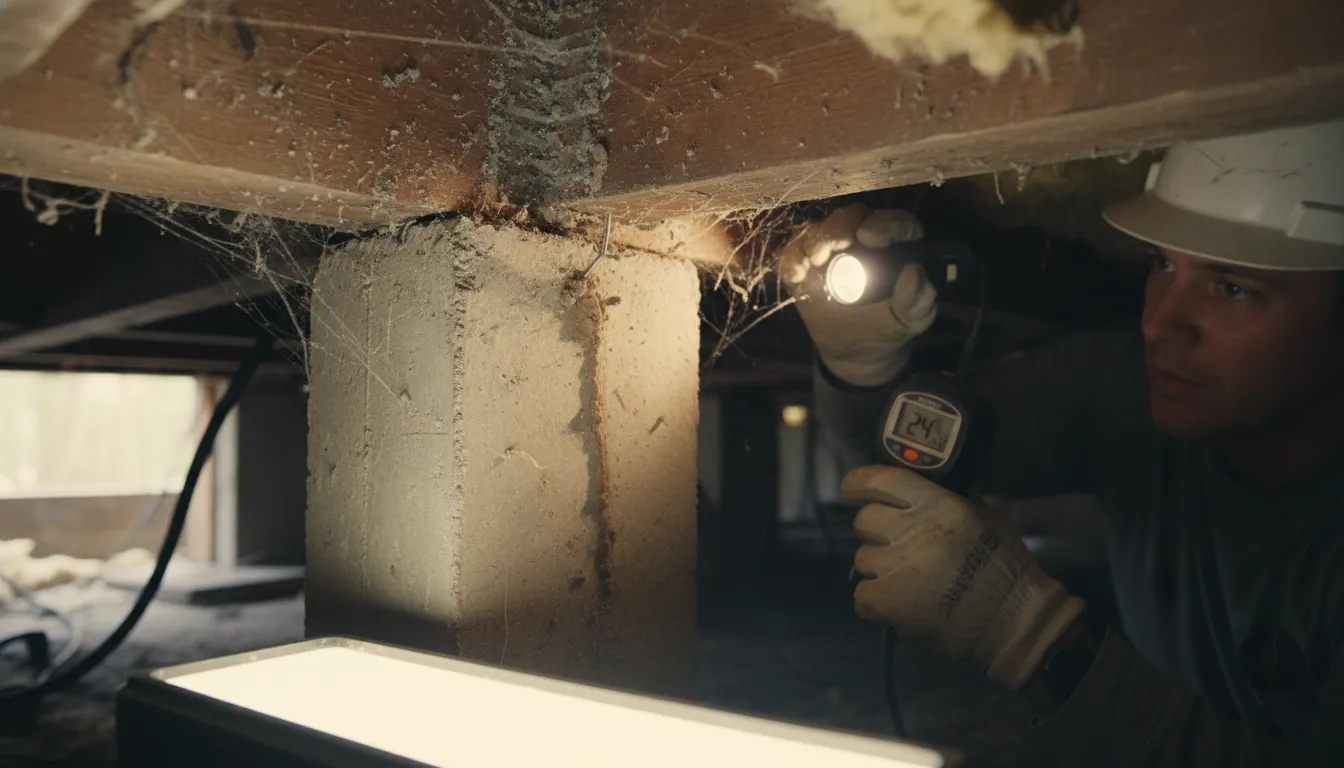
Duration and Process: A thorough inspection for an average-sized home usually takes between 30 to 45 minutes. The inspector will need access to all areas of your home, including closets, the garage, attic, and crawlspace. It's helpful to clear clutter from access points beforehand. The inspector will use tools like flashlights, moisture meters, and probing tools to tap on wood and listen for hollow sounds. While some companies use advanced technology like acoustic or thermal imaging, a detailed visual inspection remains the industry standard 13.
Choosing a Qualified Inspector in West Covina
Not all inspections are created equal. When searching for a termite inspection service, consider the following:
- Licensing: Ensure the company holds a current Structural Pest Control Board (SPCB) license from the state of California.
- Experience & Reputation: Look for established local companies with strong reviews and a reputation for thoroughness. An experienced inspector familiar with West Covina's specific pest pressures and common home construction styles is invaluable.
- Detailed Reporting: Choose a provider known for clear, comprehensive reports with photographs that precisely document any findings.
- No Conflict of Interest: While many pest control companies offer inspections, consider whether you want the inspection and any potential treatment to be handled by separate firms to ensure an unbiased assessment.
Taking the time to schedule a professional termite inspection is one of the smartest investments you can make in your West Covina home. It provides peace of mind, protects your property's value, and can save you from the staggering cost of repairing extensive, hidden structural damage.
Frequently asked questions
Sources
Footnotes
-
Termite Control in California | Western Exterminator - https://www.westernexterminator.com/local-branches/california/termites ↩
-
What Happens During a Termite Inspection - Terminix - https://www.terminix.com/termite-control/inspection/ ↩
-
Complete Guide to Termite Inspection for Home Purchase - https://bettertermite.com/termite-inspection-for-home-purchase/ ↩
-
Pest Control - https://www.calassoc-hoa.com/homeowners-association/general-information/pest-control/ ↩
-
What You Should Know About A Termite Inspection - AG Pest Control - https://www.agpest.com/what-you-should-know-about-a-termite-inspection/ ↩
-
How to identify termites in 10 minutes - The Houston Home Inspector - https://www.youtube.com/watch?v=2D6hD1iKQmc ↩
-
Termites and real estate inspections - https://www.clarkpest.com/residential-service-blog-old/termites-and-real-estate-inspections ↩
-
How Much Does a Termite Inspection Cost in 2026? - LawnStarter - https://www.lawnstarter.com/blog/cost/termite-inspection-price/ ↩
-
How Much Is a Termite Inspection? Complete Cost Overview - https://www.homelight.com/blog/how-much-is-a-termite-inspection/ ↩
-
Termite Inspection in West Covina, CA - Costs 10 / 2025 - https://www.homeyou.com/ca/termite-inspection-west-covina-costs ↩
-
How Much Does a Termite Inspection Cost? - https://patriotinspect.com/how-much-does-a-termite-inspection-cost/ ↩
-
California Termite Inspection: Sections 1-3 Explained - https://www.usrealtytraining.com/blogs/termite-inspection-real-estate ↩
-
California Home Inspections- What You Need To Know(2024) - https://thebienstockgroup.com/california-home-inspections-2023/ ↩