Find the Best Termite Inspection Companies for Your Business
No obligation • Fast responses • Nationwide coverage
Why you can trust Pest Crews
Pest Crews is a leading U.S. resource for finding and evaluating residential and commercial pest control services. Our team researches providers, reviews treatment approaches, and organizes unbiased information to help you make informed decisions. Companies cannot pay to change our editorial content or influence how they appear.
Search providers near you
Top Termite Inspection Companies in Coconut Creek, Florida Ranked
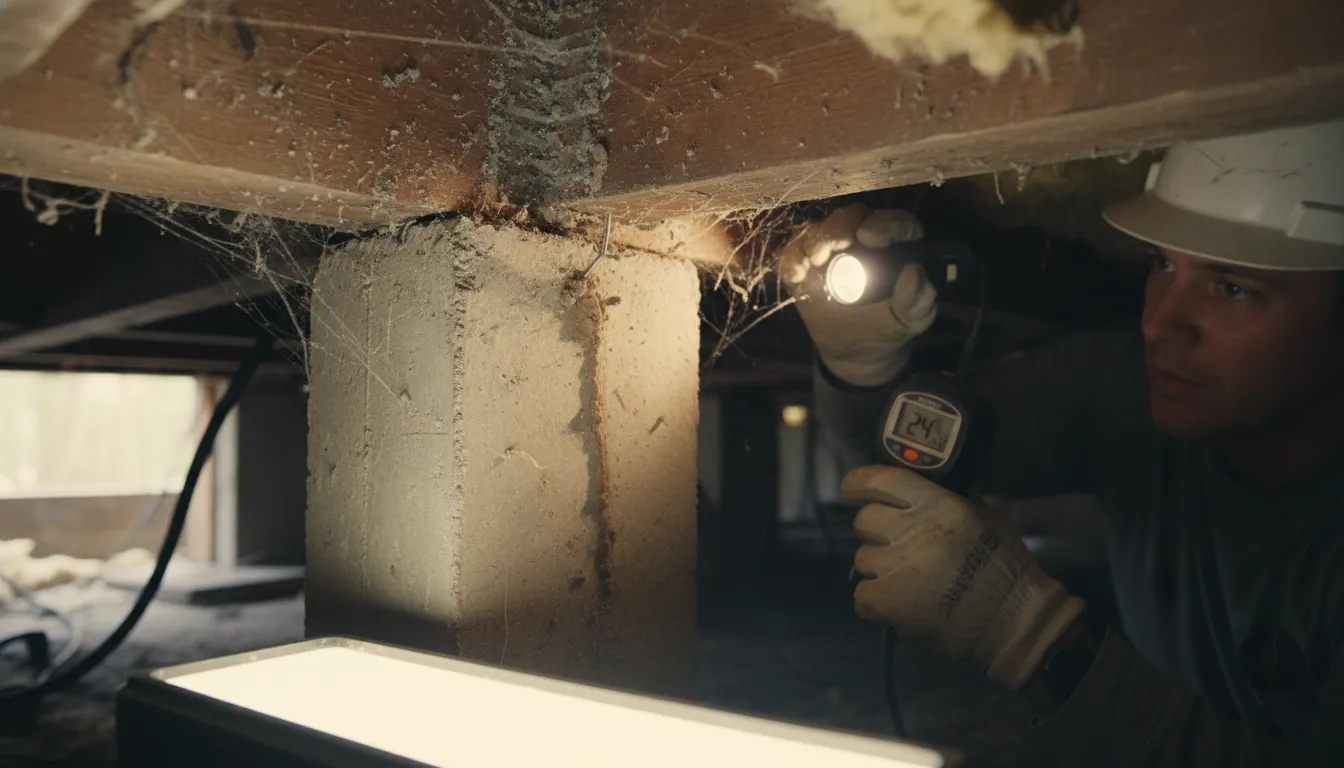
A termite inspection is a critical evaluation of your property to detect the presence of destructive wood-destroying organisms. In Coconut Creek, where the warm, humid climate is ideal for termites, these assessments are essential for protecting your investment from costly structural damage. This guide explains what a termite check involves, what local inspectors look for, and how you can connect with qualified professionals in your area to schedule an evaluation.
Mega Bee Rescues & Pest Control
21451 San Simeon Way Suite 103, Miami, FL 33179
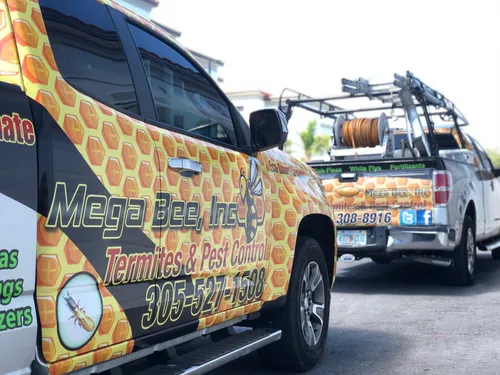
Mega Bee Rescues & Pest Control is a pest control company based in Miami, FL, serving Miami-Dade and Broward counties. They offer eco-friendly pest control solutions for a wide range of pests including ants, cockroaches, termites, bed bugs, rodents, mosquitoes, wasps, and bees. The company specializes in humane bee rescue and removal, safely relocating hives to protect local ecosystems. Established in 2011, Mega Bee Rescues & Pest Control combines advanced pest management techniques with ongoing education to provide effective and environmentally conscious services. They also offer same-day and emergency pest control services to address urgent infestations promptly.
Northwest Exterminating - Miami Gardens
17401 NW 2nd Ave #1, Miami Gardens, FL 33169
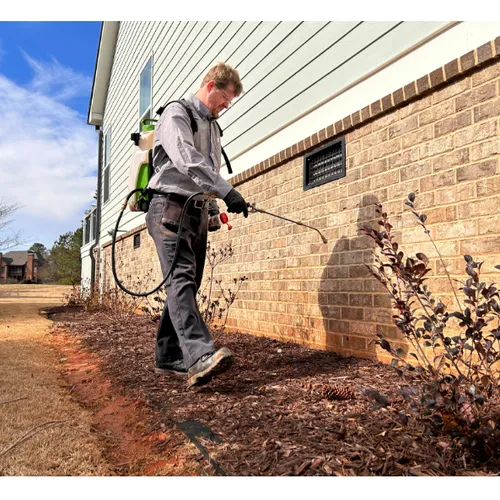
Northwest Exterminating - Miami Gardens offers pest control services in Miami, FL, specializing in bed bug treatment, rodent control, termite inspections, mosquito control, and commercial pest management. Their services include no-tent termite control for drywood termites, subterranean termite protection with Sentricon®, and rodent exclusion techniques. They also provide flea and tick control along with disinfectant services to maintain healthy homes and businesses. The company emphasizes thorough inspections and customized treatment plans to address infestations effectively.
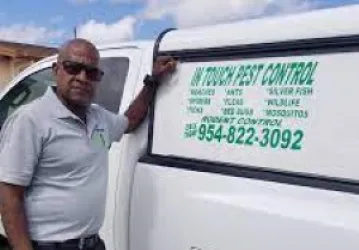
In Touch Pest Control
3489 NW 24th St, Lauderdale Lakes, FL 33311
In Touch Pest Control is a locally owned and family-operated pest control company serving Fort Lauderdale, FL, and surrounding South Florida communities. Established in 2005, they offer a range of pest management services including termite treatment, ant and rodent control, wildlife removal, and lawn pest services. Their certified team uses eco-conscious and family-safe methods to address common pests such as termites, ants, roaches, rodents, and outdoor invaders. They provide same-day service and specialize in sealing entry points to prevent rodent damage and health risks.
Tower Pest Control Inc
7760 W 20th Ave, Hialeah, FL 33016
Tower Pest Control Inc has been providing eco-friendly pest control services in Miami, FL, and South Florida since 1996. They specialize in treating a wide range of pests including bed bugs, termites, rodents, ants, cockroaches, mosquitoes, bees, and wildlife. Their approach focuses on using non-toxic, environmentally safe products and humane removal techniques to protect homes and businesses while preserving the local ecosystem. With over 25 years of experience, Tower Pest Control offers comprehensive termite inspections and organic pest control solutions tailored to the unique challenges of the Miami area.
Mitchell Pest Services - A Division of Turner Pest Control
4846 N University Dr #291, Lauderhill, FL 33351
Mitchell Pest Services - A Division of Turner Pest Control is a family-owned pest control company serving Fort Lauderdale, FL, and nearby areas since 2014. They provide residential and commercial pest management solutions including bed bug treatment, termite inspections, rodent control, mosquito control, and wildlife removal. Their approach uses integrated pest management techniques focused on identifying root causes and applying environmentally friendly treatments that are safe for homes and businesses. The company emphasizes local expertise to address Fort Lauderdale's unique pest challenges and offers ongoing maintenance to keep properties protected year-round.
Why Termite Inspections Are Crucial in South Florida
Coconut Creek's subtropical environment creates a perfect habitat for termites, making regular inspections not just a recommendation but a necessity for homeowners. These silent destroyers can cause extensive damage to the structural integrity of your home, often going unnoticed until repairs become significant and expensive. A professional termite evaluation provides peace of mind by identifying active infestations or conditions conducive to them, allowing for early intervention. For those buying or selling a home, a formal Wood Destroying Organism (WDO) inspection report is frequently required by lenders to complete the real estate transaction.
Common Termite Species in Coconut Creek
Understanding the enemy is the first step in protection. Two primary types of termites threaten homes in our area:
- Drywood Termites: As their name suggests, these termites infest dry, sound wood and do not require contact with soil. They often establish colonies in attic framing, furniture, or wooden siding, leaving behind small, hard, pellet-like droppings known as frass as a key sign of their presence 1.
- Subterranean Termites: These are the most destructive species in North America. They live in underground colonies and build distinctive mud tubes to travel from the soil to the wood in your home. They require moisture and are often found in damp crawl spaces, near foundations, and in any wood that has ground contact 2 3.
What Does a Professional Inspector Look For?
A thorough termite assessment is a detailed process. During a visual inspection, a certified professional will systematically examine your property for evidence of past or current activity and conditions that could attract pests.
Key Evidence of Infestation:
- Mud Tubes: Pencil-sized tunnels made of soil and saliva on foundation walls, piers, sill plates, and in crawl spaces are a telltale sign of subterranean termites.
- Frass: The fine, sawdust-like droppings from drywood termites, often found in small piles near infested wood like window sills or baseboards 4.
- Damaged Wood: Wood that sounds hollow when tapped, appears blistered or dark, or has maze-like patterns inside is likely compromised.
- Shed Wings: Discarded wings near windows, doors, or vents indicate that swarmers (reproductive termites) have entered the home to start a new colony.
Areas of Focus: An inspector will check both the interior and exterior of your home. Key areas include the foundation perimeter, crawl spaces, attics, basements, wall voids, baseboards, window and door frames, decks, fences, and any point where wood meets soil 5 6.
Types of Termite Inspections & Tools Used
The scope of your inspection can vary based on your needs, from a basic check to a comprehensive real estate report.
- Basic Visual Inspection: This is a standard evaluation where the inspector conducts a visual and physical check of accessible areas. It's often sufficient for routine preventative maintenance and may sometimes be offered for free if bundled with a treatment plan.
- Comprehensive WDO Inspection: Required for most real estate transactions, this detailed inspection covers all accessible areas of the structure and includes a formal Wood Destroying Organism report. It documents evidence of not only termites but also other wood-destroying pests like carpenter ants and powderpost beetles.
- Advanced Diagnostic Tools: For a more in-depth analysis, especially when hidden activity is suspected, inspectors may use tools like infrared cameras to detect moisture and heat signatures behind walls, or acoustic emission devices to listen for the sounds of termites feeding within wood.
Find the perfect termite inspection companies for your needs
Get personalized recommendations and expert advice
Understanding Termite Inspection Costs in Coconut Creek
The cost of a termite evaluation in Coconut Creek depends on the type of inspection and the specifics of your property.
- Basic Visual Inspection: Typically ranges from $50 to $150. Some companies may offer this as a complimentary service.
- Detailed WDO Inspection: For a formal report needed during a home sale, prices generally range from $150 to $325 or more. The final cost is influenced by the size of your home, its accessibility (e.g., the condition of crawl spaces), and the complexity of the structure 7 8 9.
Investing in a professional inspection is far more economical than repairing the extensive structural damage a hidden colony can cause over time.
The WDO Report: What It Is and When You Need It
A Wood Destroying Organism (WDO) inspection report is a standardized document that provides a snapshot of a property's condition regarding wood-destroying pests. If you are obtaining a mortgage to purchase a home in Florida, your lender will almost certainly require this report from a licensed inspector. The report will detail any visible evidence of infestation or damage from termites and other organisms, as well as note conditions conducive to future problems (like wood-to-soil contact or excessive moisture). This report is crucial for informing all parties in a real estate transaction 10.
Preparing for Your Termite Inspection
To ensure the inspection is as thorough and efficient as possible, you can take a few simple steps:
- Clear clutter from your basement, attic, and crawl space access points.
- Move items away from your home's interior walls and foundation.
- Ensure the inspector has clear access to electrical panels, water heaters, and storage areas in the garage.
- Trim back any shrubs or vegetation that is touching the exterior of your home.
Frequently asked questions
Sources
Footnotes
-
Termite Detective: Drywood Termites | Hulett Environmental Services - https://www.bugs.com/blog/termite-detective-drywood-termites/ ↩
-
Termites | NaturePest - https://www.naturepest.com/pest-library/termites/ ↩
-
How To Get Started With Termite Removal - https://www.officialpestprevention.com/termite-removal/ ↩
-
South Florida Termite Identification Guide for Homeowners - https://nozzlenolen.com/blog/south-florida-termite-identification-guide-for-homeowners-nn/ ↩
-
What to Expect from a Professional Termite Inspection & Treatment - https://pinellastermite.com/professional-termite-inspection-and-treatment-what-to-expect/ ↩
-
What Does A Termite Inspector Look For? - AG Pest Control - https://www.agpest.com/what-does-a-termite-inspector-look-for/ ↩
-
How Much Does a Termite Inspection Cost in Florida? - https://www.hofferpest.com/blog/2025/may/how-much-does-a-termite-inspection-cost-in-flori/ ↩
-
Termite Inspection in South Florida: A Guide for Homeowners - https://nozzlenolen.com/blog/termite-inspection-in-south-florida-nn/ ↩
-
How Much Does a Termite Inspection Cost? - https://patriotinspect.com/how-much-does-a-termite-inspection-cost/ ↩
-
Termite Inspections In Florida - Reynolds Pest Control - https://www.reynoldspest.com/termite-inspections-in-florida ↩