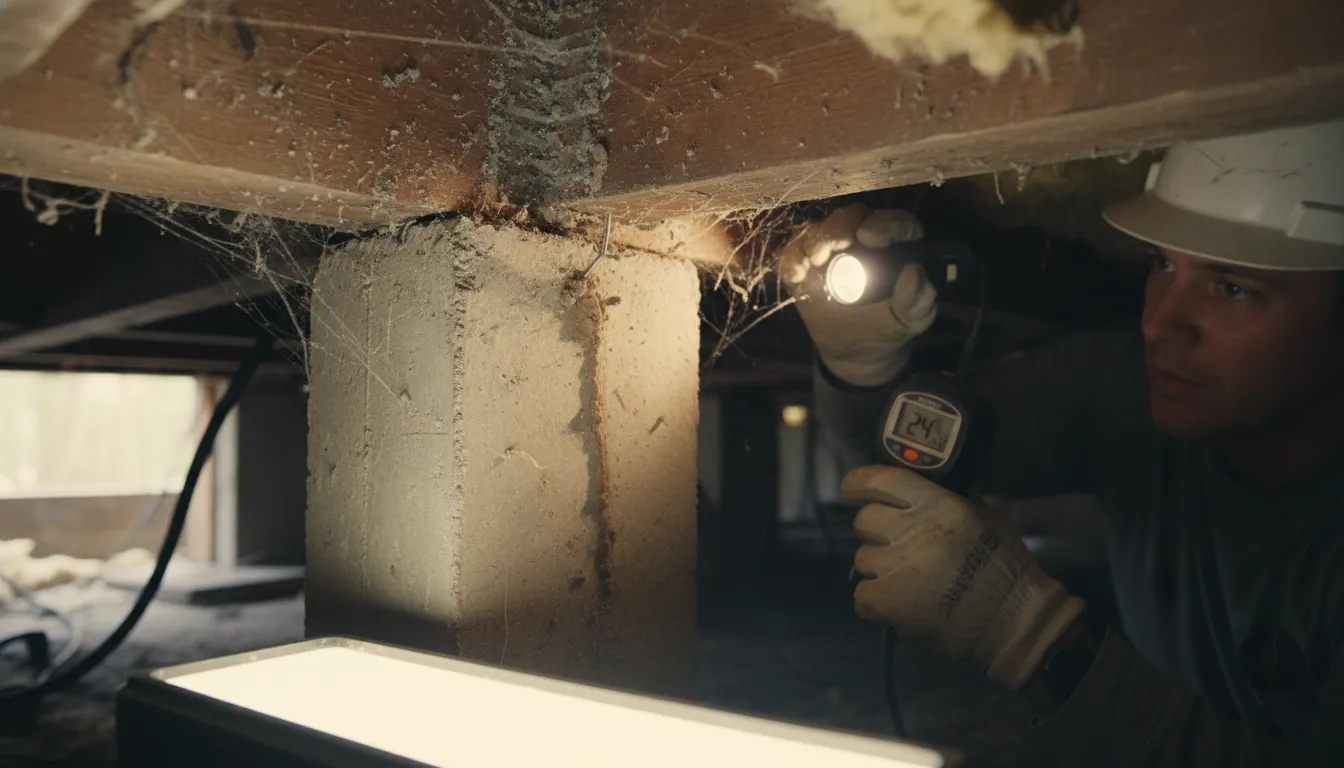
Find the Best Termite Inspection Companies for Your Business
No obligation • Fast responses • Nationwide coverage

Why you can trust Pest Crews
Pest Crews is a leading U.S. resource for finding and evaluating residential and commercial pest control services. Our team researches providers, reviews treatment approaches, and organizes unbiased information to help you make informed decisions. Companies cannot pay to change our editorial content or influence how they appear.
Search providers near you
Top Termite Inspection Companies in Miami, Florida Ranked
A termite inspection is a critical evaluation of a property for evidence of wood-destroying organisms, primarily termites. In Miami's warm, humid climate, these pests are a constant and severe threat to structural integrity, making a professional WDO (Wood-Destroying Organism) inspection an essential step for homeowners and buyers alike. This guide will help you understand what a termite inspection entails, why it's so important in South Florida, and how to find qualified local professionals to protect your investment.
Mega Bee Rescues & Pest Control
21451 San Simeon Way Suite 103, Miami, FL 33179
Mega Bee Rescues & Pest Control is a pest control company based in Miami, FL, serving Miami-Dade and Broward counties. They offer eco-friendly pest control solutions for a wide range of pests including ants, cockroaches, termites, bed bugs, rodents, mosquitoes, wasps, and bees. The company specializes in humane bee rescue and removal, safely relocating hives to protect local ecosystems. Established in 2011, Mega Bee Rescues & Pest Control combines advanced pest management techniques with ongoing education to provide effective and environmentally conscious services. They also offer same-day and emergency pest control services to address urgent infestations promptly.
Northwest Exterminating - Miami Gardens
17401 NW 2nd Ave #1, Miami Gardens, FL 33169
Northwest Exterminating - Miami Gardens offers pest control services in Miami, FL, specializing in bed bug treatment, rodent control, termite inspections, mosquito control, and commercial pest management. Their services include no-tent termite control for drywood termites, subterranean termite protection with Sentricon®, and rodent exclusion techniques. They also provide flea and tick control along with disinfectant services to maintain healthy homes and businesses. The company emphasizes thorough inspections and customized treatment plans to address infestations effectively.
In Touch Pest Control
3489 NW 24th St, Lauderdale Lakes, FL 33311
In Touch Pest Control is a locally owned and family-operated pest control company serving Fort Lauderdale, FL, and surrounding South Florida communities. Established in 2005, they offer a range of pest management services including termite treatment, ant and rodent control, wildlife removal, and lawn pest services. Their certified team uses eco-conscious and family-safe methods to address common pests such as termites, ants, roaches, rodents, and outdoor invaders. They provide same-day service and specialize in sealing entry points to prevent rodent damage and health risks.
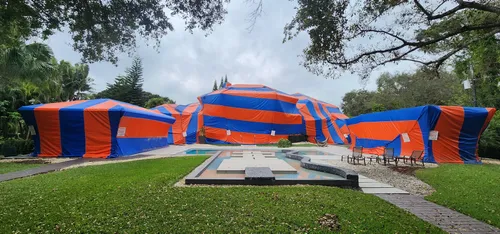
Bye Bye Termites Pest Control
625 SW 46th Ave, Miami, FL 33134
Bye Bye Termites Pest Control is a termite inspection and pest control company based in Miami, FL. They provide residential and commercial termite management services, specializing in the control of drywood and subterranean termites. The company offers eco-friendly, tailored solutions and handles all fumigation notifications with the state. With over 30 years in the industry, Bye Bye Termites Pest Control emphasizes thorough inspections and effective termite eradication to protect properties from termite damage.
Tower Pest Control Inc
7760 W 20th Ave, Hialeah, FL 33016
Tower Pest Control Inc has been providing eco-friendly pest control services in Miami, FL, and South Florida since 1996. They specialize in treating a wide range of pests including bed bugs, termites, rodents, ants, cockroaches, mosquitoes, bees, and wildlife. Their approach focuses on using non-toxic, environmentally safe products and humane removal techniques to protect homes and businesses while preserving the local ecosystem. With over 25 years of experience, Tower Pest Control offers comprehensive termite inspections and organic pest control solutions tailored to the unique challenges of the Miami area.
Why Termite Inspections Are Non-Negotiable in Miami
Miami's subtropical environment is a paradise not just for people, but for termites. The consistent warmth and moisture create ideal breeding and feeding conditions year-round. For this reason, a termite or WDO inspection is often considered as vital as a standard home inspection in real estate transactions. Lenders frequently require a clear inspection report before approving a mortgage. Beyond transactions, regular inspections are a cornerstone of proactive home maintenance, helping to catch infestations early before they cause catastrophic-and expensive-structural damage.
The Two Primary Culprits: Subterranean and Drywood Termites
A professional inspector in Miami is trained to identify signs of the two main types of termites prevalent in the region.
Subterranean Termites: The Eastern Subterranean Termite is the most common and destructive species in Florida 1. They live in colonies in the soil and build distinctive mud tubes (shelter tubes) to travel from their nest to their food source-the wood in your home. These pencil-width tubes are often found on foundation walls, piers, and sill plates. They require constant contact with moisture, so they are attracted to areas with water leaks or poor drainage 2.
Drywood Termites: Unlike their subterranean cousins, drywood termites infest dry, sound wood directly and do not require contact with soil. They are often found in attic framing, furniture, and wooden window frames. Key signs of a drywood termite infestation include small, hard fecal pellets (called frass) that resemble coarse coffee grounds or sawdust, and piles of discarded wings near windowsills or light sources 3 4.
What Does a Professional Termite Inspector Look For?
A thorough termite examination is a meticulous process that covers the interior, exterior, and hidden areas of your property. Here's what you can expect an inspector to check:
Exterior Inspection Points:
- Foundation and Slab: Searching for mud tubes, cracks, or gaps where termites could enter.
- Wood-to-Soil Contact: Any instance where siding, door frames, porch posts, or deck wood touches the soil is a major red flag and a direct invitation for termites 5 6.
- Landscaping and Mulch: Excessive mulch against the foundation and wood debris in the yard can create conducive conditions.
- Attic and Roof Vents: Inspectors will check vents for signs of drywood termite activity.
Interior Inspection Points:
- Visual and Physical Checks: Tapping on wood trim, baseboards, and window sills to listen for a hollow sound, which indicates internal damage.
- Paint and Drywall: Looking for bubbling or peeling paint, and small pin-sized holes in drywall, which can be exit points for drywood termites.
- Frass and Wings: Identifying piles of termite droppings or discarded swarmers' wings, particularly in attics, garages, and on windowsills 7 8.
Hidden and Conducive Areas:
- Crawlspaces and Basements: These dark, often damp areas are prime locations for subterranean termite activity. Inspectors will look for mud tubes, damaged wood, and moisture issues.
- Under Sinks and Around Plumbing: Areas with potential water leaks are high-priority targets.
- Conducive Conditions: The inspection report will note issues beyond active infestation, such as excessive moisture, earth-to-wood contact, and cellulose debris, that make the property vulnerable to future problems 9 10.
Understanding Termite Inspection Costs in Miami
The cost of a termite inspection in Miami can vary based on the size of the home, the type of inspection, and the company. However, most fall within predictable ranges.
- Basic Visual Inspection: Typically costs between $75 and $150. This is a standard visual check of accessible areas, both inside and out, and is common for real estate due diligence. It results in a basic WDO inspection report.
- Detailed or Comprehensive Inspection: Can range from $200 to $325 or more 11 12. This more involved service may include the use of advanced tools like moisture meters, infrared cameras, or borescopes to probe wood. It often involves a more thorough investigation of attics and crawlspaces and results in a highly detailed report. This level is recommended for peace of mind or if a basic inspection raises concerns.
Find the perfect termite inspection companies for your needs
Get personalized recommendations and expert advice
The Termite Inspection Report: Your Action Plan
The final deliverable is the WDO Inspection Report. This is not just a pass/fail document; it's a detailed roadmap of your property's condition. A quality report will clearly state:
- Evidence of Active Infestation: Confirmation and location of live termites.
- Evidence of Previous Infestation or Damage: Note of old damage, frass, or mud tubes from past activity.
- Conducive Conditions: A list of factors (e.g., wood-soil contact, leaky pipes, poor ventilation) that could lead to future infestations.
- Treatment and Repair Recommendations: Guidance on next steps, which may include chemical treatments, bait systems, wood repairs, or corrective actions to remove conducive conditions 13 14.
How to Prepare for a Termite Inspection
To ensure the inspection is as efficient and thorough as possible, homeowners can take a few simple steps:
- Clear Access: Move boxes, stored items, and furniture away from perimeter walls, especially in garages, basements, and attics. Ensure the inspector can access the electrical panel, water heater, and under-sink areas.
- Trim Vegetation: Cut back shrubs, vines, and tree branches that are touching the house to allow clear visibility of the foundation and siding.
- Address Moisture: Fix any leaking faucets, downspouts, or irrigation systems that keep the soil or siding wet.
- Move Firewood: Relocate any firewood or lumber piles so they are at least 20 feet away from the structure and off the ground.
Taking these proactive measures not only aids the inspector but also helps you start mitigating the very conditions that attract termites.
Beyond the Inspection: Prevention is Key
A termite inspection identifies problems, but long-term protection requires ongoing prevention. Key strategies for Miami homeowners include:
- Eliminate Wood-to-Soil Contact: Ensure all structural and decorative wood is at least 6 inches above soil grade.
- Manage Moisture: Keep gutters clean, ensure downspouts direct water away from the foundation, and fix plumbing leaks promptly. Consider dehumidifiers in crawlspaces.
- Reduce Cellulose Debris: Remove old tree stumps, roots, and form boards from around the property.
- Consider Preventative Treatments: Many homeowners opt for ongoing termite protection plans, such as soil treatments or bait monitoring systems, to provide a continuous barrier against infestation.
Frequently asked questions
Sources
Footnotes
-
Types of Termites in Florida: Termite Identification & Control Guide - https://www.barrybugs.com/post/types-of-termites-in-florida-termite-identification-and-control-guide ↩
-
Prevent Subterranean Termite Infestations in Miami, FL - https://www.nativepestmanagement.com/blog/2025/december/prevent-subterranean-termite-infestations-miami-fl/ ↩
-
Drywood vs Subterranean Termites in Miami - Is Tenting Needed? - https://byebyetermitespestcontrol.com/drywood-subterranean-tenting-need/ ↩
-
Termite Control In Miramar FL - https://www.nativepestmanagement.com/termite-control-in-miramar-fl/ ↩
-
Why Termite Inspections Matter for Florida Homeowners - https://www.hopehomeinspections.com/inspection-information/termites/ ↩
-
Termite Inspections In Florida - Reynolds Pest Control - https://www.reynoldspest.com/termite-inspections-in-florida ↩
-
Complete Guide to Termite Inspection for Home Purchase - https://bettertermite.com/termite-inspection-for-home-purchase/ ↩
-
Questions To Ask During A California Termite Inspection - Aantex - https://aantex.com/blog-post/questions-to-ask-during-termite-inspection/ ↩
-
Termite Inspections: What to Expect and How to Prepare - https://www.petrispestcontrol.com/termite-control/termite-inspections-what-to-expect/ ↩
-
Full Guide to Professional Termite Inspections for Home Inspectors - https://www.homegauge.com/learning/home-inspectors-termites/ ↩
-
What Miami home buyers should know before inspections start - https://www.miamiherald.com/news/business/real-estate-news/article313782568.html ↩
-
How Much Does a Termite Inspection Cost in Florida? - https://www.hofferpest.com/blog/2025/may/how-much-does-a-termite-inspection-cost-in-flori/ ↩
-
Expert Termite Inspection Services in Miami-Dade County - https://www.guardianangelinspections.com/termite-inspections-miami-dade-county ↩
-
How to Prepare Your House for a Termite Inspection? - https://www.hitechtermite.com/articles/how-to-prepare-your-house-for-a-termite-inspection ↩