Find the Best Termite Inspection Companies for Your Business
No obligation • Fast responses • Nationwide coverage

Why you can trust Pest Crews
Pest Crews is a leading U.S. resource for finding and evaluating residential and commercial pest control services. Our team researches providers, reviews treatment approaches, and organizes unbiased information to help you make informed decisions. Companies cannot pay to change our editorial content or influence how they appear.
Search providers near you
Top Termite Inspection Companies in St Petersburg, Florida Ranked
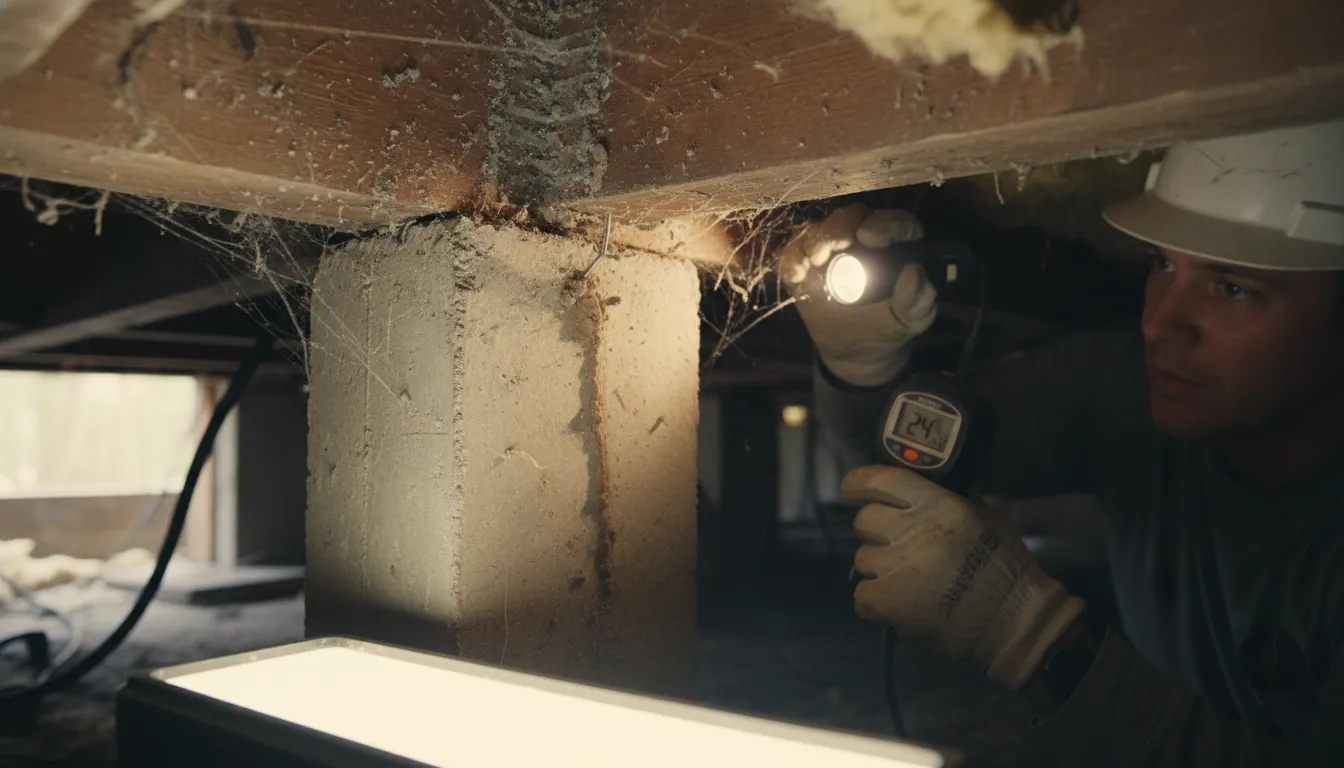
A termite inspection is a critical evaluation of a property to detect the presence or evidence of wood-destroying organisms, primarily termites. In St. Petersburg's warm, humid climate, these inspections are vital for protecting your largest investment from costly, hidden damage. This guide will help you understand the process, what local inspectors look for, and how to find qualified professionals in the area to conduct a thorough termite evaluation.
All U Need Pest Control
1517 S U.S. Hwy 41, Ruskin, FL 33570
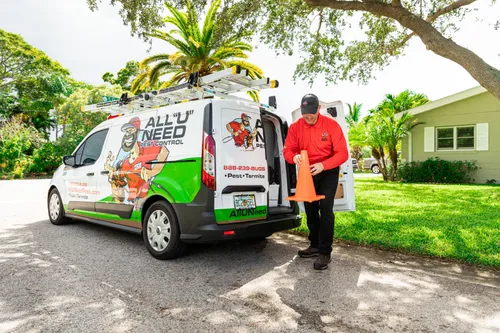
All U Need Pest Control provides customized pest control solutions for homes and businesses in Tampa, FL, and surrounding areas. Since 2003, the company has specialized in family- and pet-friendly treatments, addressing common pests such as rodents and termites. They utilize the Sentricon® System with Always Active™ technology for termite control and offer rodent tracking, trapping, and treatment to protect against health risks. Their services cover a broad region from Southwest Florida to Tampa Bay and beyond.
Anti-Pesto Bug Killers Inc
6619 S 78th St Suite 116, Riverview, FL 33578
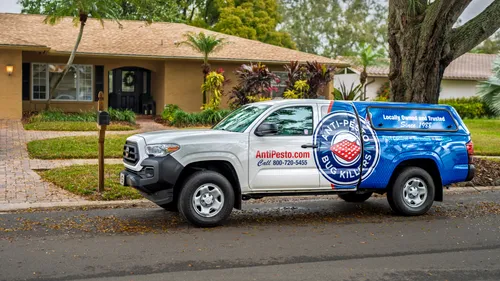
Anti-Pesto Bug Killers Inc is a family-operated pest control company serving Tampa, FL, and the surrounding Hillsborough County areas including Riverview, Brandon, and Plant City. Established in 1988, they provide comprehensive pest management services targeting over 25 common pests such as ants, cockroaches, rodents, termites, mosquitoes, and wasps. Their termite control includes baiting, liquid treatments, and both tenting and no-tent options for drywood termites. Anti-Pesto also offers ongoing mosquito control and rodent exclusion services with attic cleaning and re-insulation options. They provide same-day service for calls before noon on weekdays.
Nextgen Pest Solutions
1428 Gulf to Bay Blvd # D, Clearwater, FL 33755
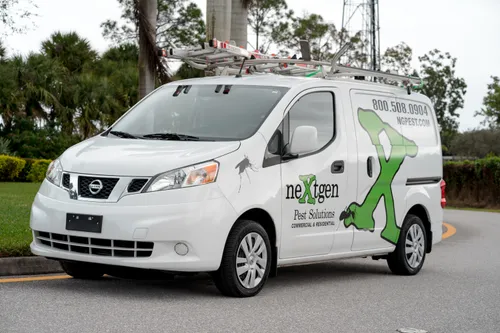
Nextgen Pest Solutions provides pest control services in St Petersburg, FL, specializing in residential and commercial pest management. They offer targeted treatments for common pests including bed bugs and termites, using advanced solutions suited to Florida's climate. Operating from Clearwater, they serve nearby communities with customized plans to address and prevent infestations effectively.
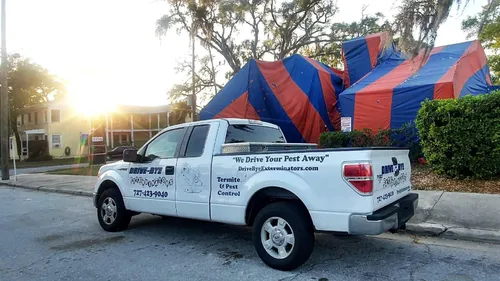
Drive-Bye Exterminators
2729 FL-580 Suite C3, Clearwater, FL 33761
Drive-Bye Exterminators is a family-owned pest control company serving Tampa, FL, and nearby communities such as Clearwater, Dunedin, and Largo. Since 2004, they have provided pest, termite, cockroach, ant, and spider control services for homes and businesses. Their process includes thorough inspections, customized treatment plans, and regular maintenance to prevent pest returns. They specialize in termite inspections and eradication, cockroach control, and ant management, using safe and effective methods tailored to each situation. The company holds Pest Control Certified Operators on staff and offers warranties for their work.
Creepy Creatures Termite And Pest Control
Tampa, FL
Creepy Creatures Termite And Pest Control is a pest control and termite inspection company based in Tampa, FL. They provide services focused on identifying and managing termite infestations and general pest control needs in the Tampa area. Specific capabilities or additional service details are not available from the provided information.
Why Termite Inspections Are Essential in St. Petersburg
The subtropical environment of the Tampa Bay area creates an ideal habitat for termites. With abundant moisture and warmth, termite colonies thrive and can cause significant structural damage before homeowners ever see a sign. A professional termite inspection, often called a Wood-Destroying Organism (WDO) inspection, is your first line of defense. It's not just for home buyers; regular evaluations are a key part of responsible home maintenance, helping to identify conducive conditions that could lead to an infestation.
Common Termite Species Found in St. Pete
Understanding your enemy is half the battle. Local pest control experts primarily look for two types of termites during a St. Petersburg termite check.
Subterranean Termites: This group includes the highly destructive Formosan termite, which is prevalent in the region. They live in underground colonies and build distinctive mud tubes to travel from the soil to their food source-the wood in your home. They often exploit cracks in the foundation or enter through plumbing penetrations.
Drywood Termites: Unlike their subterranean cousins, drywood termites live entirely within the wood they consume. They don't require contact with soil. Signs of their activity include small piles of fecal pellets (called frass) that resemble sawdust or coffee grounds, and discarded wings from swarmers 1.
What Does a Termite Inspector Look For?
A comprehensive termite assessment involves searching for both active infestations and conditions that could attract them. Here's what a certified inspector will examine:
Evidence of Active Infestation:
- Mud Tubes: Pencil-sized tunnels made of soil and saliva on foundation walls, piers, sill plates, or in crawlspaces.
- Frass: The wood-colored droppings left by drywood termites, often found in small piles near infested wood.
- Discarded Wings: After swarmers (reproductive termites) take flight, they shed their wings. Piles of these tiny, equal-length wings near windowsills or doors are a telltale sign.
- Damaged Wood: Wood that sounds hollow when tapped, appears blistered or darkened, or has maze-like patterns inside.
Conducive Conditions for Infestation:
- Wood-to-Soil Contact: Any structural wood, like siding or deck posts, making direct contact with the soil provides an easy entry point.
- Excess Moisture: Leaky pipes, poor drainage, clogged gutters, and insufficient ventilation in crawlspaces create the damp environment termites love.
- Mulch and Debris: Excessive mulch or stored wood/firewood against the home's foundation can harbor termites.
Key Inspection Areas: Inspectors pay special attention to high-risk zones, including the foundation perimeter, crawlspaces, attics, interior walls and baseboards, bathrooms, kitchens, and around plumbing fixtures 2.
The Termite Inspection Process Explained
Knowing what to expect can make the process smoother. A standard termite evaluation in St. Petersburg typically follows these steps:
- Visual Inspection: The inspector conducts a thorough, visual examination of both the interior and exterior of the property, from the roofline to the foundation 3.
- Use of Diagnostic Tools: While much is visual, inspectors may also use tools like moisture meters to detect hidden water sources or thermal imaging cameras to identify heat signatures from large, active colonies within walls.
- Detailed Reporting: After the inspection, you will receive a formal report. For real estate transactions, this is often an NPMA-33 form or a similar WDO report. This document details any evidence of active or past infestations, identifies conducive conditions, and provides recommendations for treatment and repairs 4.
Find the perfect termite inspection companies for your needs
Get personalized recommendations and expert advice
Understanding Costs for Termite Inspections
The cost of a termite inspection in St. Petersburg can vary based on the property size, type of inspection, and whether it's a standalone service or part of a real estate transaction.
- Basic Visual Inspection: A standard inspection for an existing homeowner can range from approximately $50 to $150 5.
- Real Estate (WDO) Inspection: More detailed reports required for home sales or loans typically cost between $100 and $300+ 6 7 8.
- Inspections with Advanced Technology: Using tools like thermal imaging or radar will increase the price.
- Bundled Services: Some companies may reduce or waive the inspection fee if you proceed with a treatment plan or bundle it with other pest management services.
Termite Inspections for Home Buyers and Sellers
In Florida, a termite inspection is frequently a contingency in real estate contracts. Lenders often require a clear WDO report before approving a mortgage 9 10. For buyers, this inspection is a crucial step to avoid purchasing a property with expensive, hidden damage. For sellers, obtaining a pre-listing inspection can identify issues upfront, preventing surprises and delays during the sale process 9 11.
Maintaining a Termite-Resistant Home
After an inspection, follow-through is key. Recommendations may include:
- Eliminating all wood-to-soil contact around the foundation.
- Fixing leaky faucets, pipes, and ensuring proper drainage away from the house.
- Ensuring crawlspaces are properly ventilated and vapor-barriered.
- Storing firewood and lumber away from the home's exterior.
- Scheduling regular follow-up inspections, typically annually, as part of a proactive pest management plan.
Frequently asked questions
Sources
Footnotes
-
Termite Control & Pest Extermination in St. Petersburg FL | Termite Inspection - https://www.turnerpest.com/pest-control/st-petersburg/termite-control/ ↩
-
Termite Inspections: Identifying And Preventing Costly Damage - https://maxhomeinspections.com/blog/termite-inspection/termite-inspections-costly-damage/ ↩
-
What to Expect During a Termite Inspection - Massey Services - https://www.masseyservices.com/termite-control/what-to-expect-free-termite-inspection/ ↩
-
Termite Treatment in St Pete - Massey Services - https://www.masseyservices.com/st-pete/termite-treatment/ ↩
-
How Much Does a Termite Inspection Cost in 2026? - LawnStarter - https://www.lawnstarter.com/blog/cost/termite-inspection-price/ ↩
-
How Much Does a Termite Inspection Cost in Florida? - https://www.hofferpest.com/blog/2025/may/how-much-does-a-termite-inspection-cost-in-flori/ ↩
-
Home Pest Control Inspections | WDI Reports | Florida Pest - https://www.flapest.com/residential/pest-inspections/ ↩
-
How Much Is a Termite Inspection? Complete Cost Overview - https://www.homelight.com/blog/how-much-is-a-termite-inspection/ ↩
-
Why Termite Inspections Are a Must Before Buying a Home in Pinellas - https://pinellastermite.com/termite-inspection-before-buying-home-pinellas/ ↩ ↩2
-
Termite Inspections for Homebuyers: Requirements & Costs - https://www.freedommortgage.com/learning-center/articles/termite-inspection-home-purchase ↩
-
Complete Guide to Termite Inspection for Home Purchase - https://bettertermite.com/termite-inspection-for-home-purchase/ ↩