Find the Best Termite Inspection Companies for Your Business
No obligation • Fast responses • Nationwide coverage

Why you can trust Pest Crews
Pest Crews is a leading U.S. resource for finding and evaluating residential and commercial pest control services. Our team researches providers, reviews treatment approaches, and organizes unbiased information to help you make informed decisions. Companies cannot pay to change our editorial content or influence how they appear.
Search providers near you
Top Termite Inspection Companies in Tampa, Florida Ranked
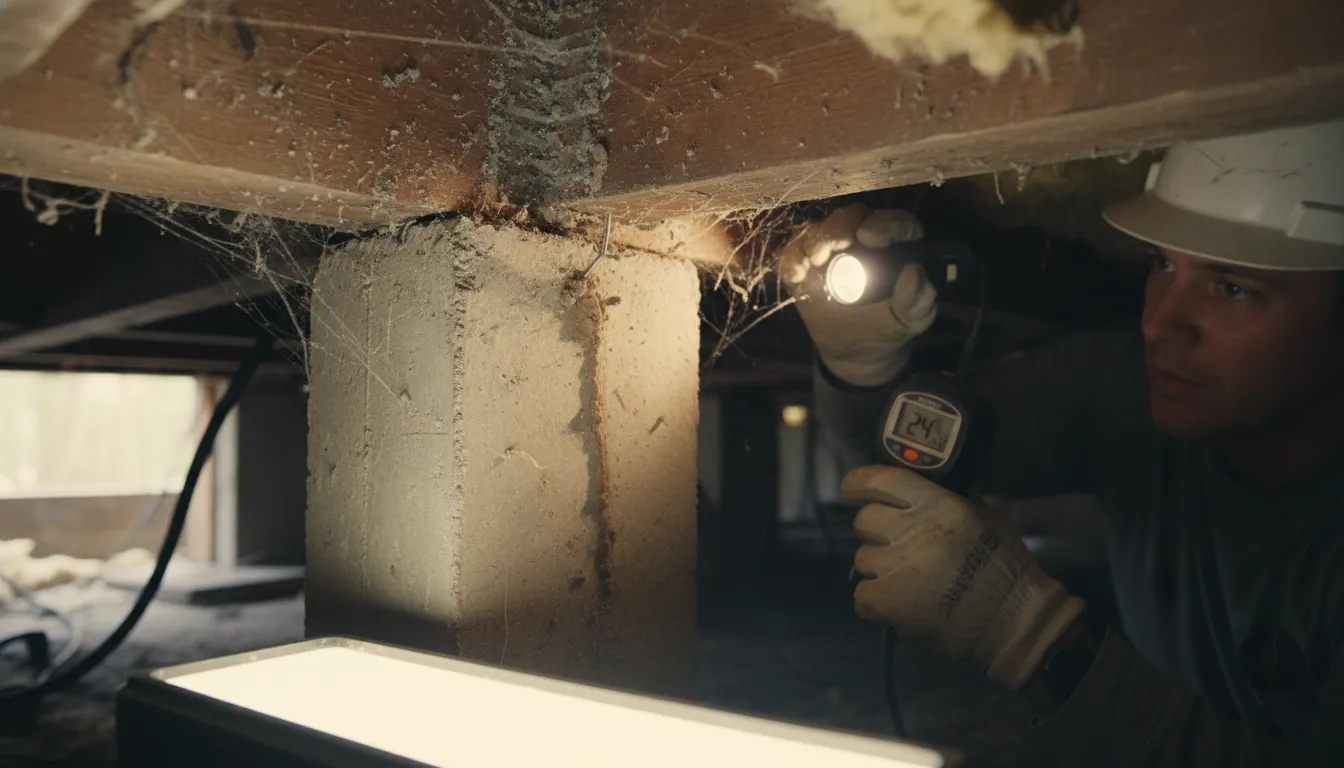
A termite inspection is a specialized assessment of a property to detect the presence, activity, or damage caused by wood-destroying organisms, primarily termites. In Tampa's humid subtropical climate, these evaluations are not just a formality-they are a critical line of defense against some of the most destructive pests in the region. This guide explains what a termite inspection entails, why it's essential for Tampa homeowners, and how you can connect with qualified local professionals to protect your investment.
All U Need Pest Control
5908 Land O' Lakes Blvd, Land O' Lakes, FL 34638
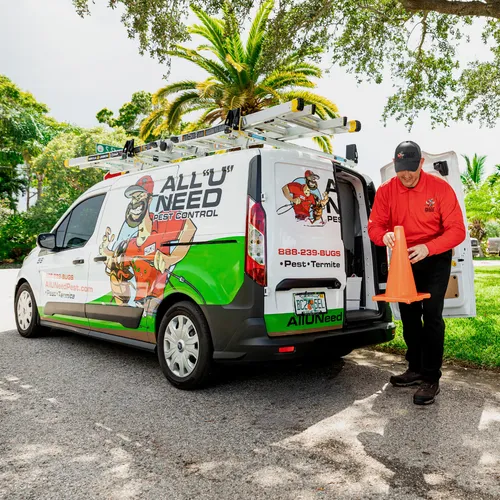
All U Need Pest Control has been providing customized, family- and pet-friendly pest control solutions since 2003. Based in Tampa, FL, the company offers services including rodent control, termite inspections, bee and wasp removal, and commercial pest management. They use the Sentricon® System with Always Active™ technology for termite elimination and provide targeted rodent tracking and treatment to protect homes and businesses. Their service area extends across Southwest Florida to Tampa Bay and beyond, including parts of Florida and Texas.
All U Need Pest Control
1517 S U.S. Hwy 41, Ruskin, FL 33570
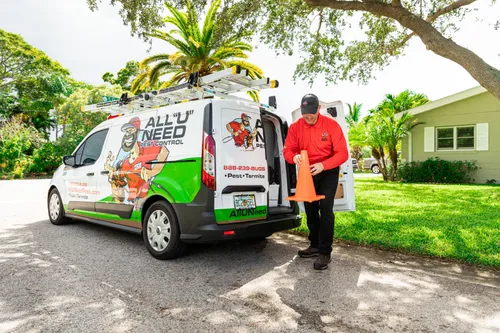
All U Need Pest Control provides customized pest control solutions for homes and businesses in Tampa, FL, and surrounding areas. Since 2003, the company has specialized in family- and pet-friendly treatments, addressing common pests such as rodents and termites. They utilize the Sentricon® System with Always Active™ technology for termite control and offer rodent tracking, trapping, and treatment to protect against health risks. Their services cover a broad region from Southwest Florida to Tampa Bay and beyond.
Anti-Pesto Bug Killers Inc
6619 S 78th St Suite 116, Riverview, FL 33578
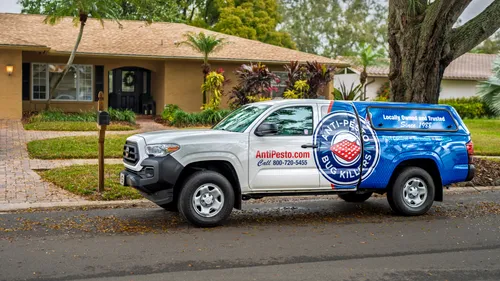
Anti-Pesto Bug Killers Inc is a family-operated pest control company serving Tampa, FL, and the surrounding Hillsborough County areas including Riverview, Brandon, and Plant City. Established in 1988, they provide comprehensive pest management services targeting over 25 common pests such as ants, cockroaches, rodents, termites, mosquitoes, and wasps. Their termite control includes baiting, liquid treatments, and both tenting and no-tent options for drywood termites. Anti-Pesto also offers ongoing mosquito control and rodent exclusion services with attic cleaning and re-insulation options. They provide same-day service for calls before noon on weekdays.
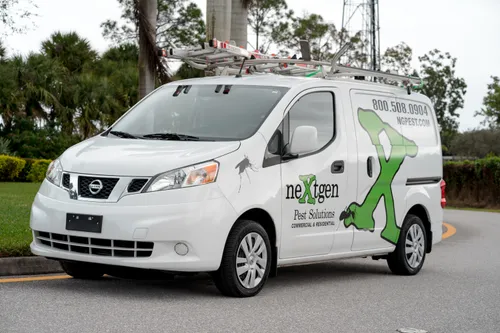
Nextgen Pest Solutions
1428 Gulf to Bay Blvd # D, Clearwater, FL 33755
Nextgen Pest Solutions provides pest control services in St Petersburg, FL, specializing in residential and commercial pest management. They offer targeted treatments for common pests including bed bugs and termites, using advanced solutions suited to Florida's climate. Operating from Clearwater, they serve nearby communities with customized plans to address and prevent infestations effectively.
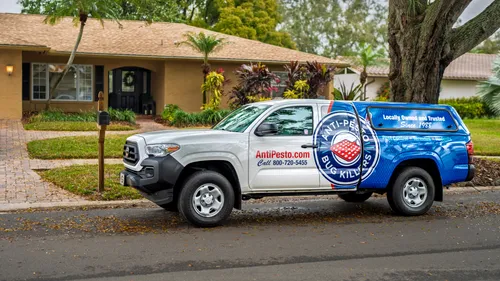
Anti-Pesto Bug Killers Inc
2641 Stonewood Pk Lp Suite 104, Land O' Lakes, FL 34638
Anti-Pesto Bug Killers Inc is a pest control company serving Tampa, FL, specializing in residential and commercial pest management. They offer services for common pests such as cockroaches, ants, spiders, and termites. The company provides expert termite control solutions designed to eliminate infestations and prevent future damage, protecting homes and businesses in the Tampa Bay area. Established in 1988, Anti-Pesto Bug Killers has decades of experience in pest control.
Why Termite Inspections Are Non-Negotiable in Tampa
Florida's warm, moist environment creates an ideal habitat for termites, making Tampa properties particularly vulnerable. A professional termite inspection is the most effective way to identify an active infestation or conditions conducive to one before significant structural damage occurs. The cost of repairing termite damage can run into the tens of thousands of dollars, far exceeding the price of a routine inspection. For anyone buying, selling, or maintaining a home in the area, a thorough termite evaluation provides peace of mind and can be a required step in real estate transactions1.
Common Termite Species Found in Tampa
Knowing your enemy is half the battle. Tampa is home to several aggressive termite species, each with distinct behaviors.
- Eastern Subterranean Termites: The most common and destructive species in the area. They live in underground colonies and build distinctive mud tubes to travel between their nest and food sources. They have dark brown or black bodies and can consume wood 24/7.
- Formosan & Asian Subterranean Termites: Often called "super termites" due to their large colony sizes and rapid consumption rates. These invasive subterranean species are also prevalent in the Tampa Bay region and pose a severe threat 2.
- Drywood Termites: Unlike subterranean types, drywood termites infest dry, sound wood and do not require contact with soil. They are often identified by their fecal pellets, known as frass, which resemble fine sawdust or coffee grounds. The Light Southeastern Drywood termite is a common variety here3 4.
What a Professional Inspector Looks For
A comprehensive termite inspection in Tampa is a meticulous process. A certified inspector will examine both the interior and exterior of a property, focusing on areas prone to moisture and wood-to-soil contact.
Exterior Inspection Points:
- Mud Tubes: pencil-sized tunnels on foundation walls, piers, or sill plates-a telltale sign of subterranean termites.
- Wood-to-Soil Contact: Any structural wood, like siding or door frames, touching the ground provides easy access.
- Damaged or Hollow-Sounding Wood: Wood that sounds papery or hollow when tapped.
- Landscaping Issues: Overhanging tree branches touching the roof, excessive mulch against the foundation, and poor drainage that creates moist soil 5.
Interior & Structural Inspection Points:
- Foundation, Attic, and Crawlspaces: These are critical zones where hidden activity often begins. Inspectors look for mud tubes, damaged wood, and frass.
- Moisture Sources: Leaky pipes, faulty grading, and inadequate ventilation in crawlspaces are red flags, as termites are attracted to moisture.
- Visible Signs: Bubbling or peeling paint (which can indicate moisture from termites within), discarded wings near windowsills or doors (from swarmers), and tiny holes in drywall or wood 6.
Advanced Inspection Technologies
While a visual inspection forms the core of the assessment, many Tampa inspectors now employ advanced tools for a more definitive diagnosis.
- Infrared Cameras: Detect temperature differences behind walls, which can reveal hidden moisture and termite nesting sites.
- Acoustic Emission Devices: Listen for the faint sounds of termites chewing and moving within wood.
- Moisture Meters: Pinpoint areas of elevated wood moisture, a key indicator of conducive conditions or active infestations 7.
These technologies allow inspectors to identify problems that are not visible to the naked eye, providing a more complete picture of a property's health.
Understanding Inspection Costs and Reports
The cost of a termite inspection in Tampa can vary based on the property's size, age, and the scope of the inspection.
- Basic Visual Inspection: Often ranges from $50 to $150. This may be a standalone service or bundled with a general home inspection.
- Detailed/Comprehensive Inspection: Typically costs between $150 and $300 or more. This includes a more thorough examination of attics, crawlspaces, and hard-to-reach areas, and may incorporate advanced tools like infrared cameras8 9 10.
A key outcome of an inspection is the WDO (Wood-Destroying Organism) Report. This official document is frequently required by mortgage lenders during a home sale. It details any evidence of active infestations, past damage, and conditions conducive to future problems. Understanding this report is crucial for making informed decisions about treatment and repairs.
Find the perfect termite inspection companies for your needs
Get personalized recommendations and expert advice
Conducive Conditions: Making Your Property Less Inviting
Beyond looking for active termites, a good inspector will identify factors that attract them. Homeowners can proactively address these to reduce risk:
- Eliminate Moisture: Repair leaky faucets, ensure downspouts direct water away from the foundation, and improve ventilation in crawlspaces.
- Remove Wood-to-Soil Contact: Create a gap between any soil or mulch and your home's wooden elements.
- Store Firewood Properly: Keep firewood, lumber, and paper products elevated and away from the home's exterior.
- Seal Entry Points: Caulk cracks and crevices in the foundation and around utility lines 11.
The Inspection Process: What to Expect
When you schedule a termite inspection, you can expect the professional to spend anywhere from 30 minutes to over two hours on-site, depending on the property. They will need access to all areas of the home, including closets, the attic, and the crawlspace. It's helpful to move stored items away from basement or garage walls beforehand. After the physical inspection, the inspector will review their findings with you and explain the details of the written report, including any recommended next steps for treatment or monitoring.
Frequently asked questions
Sources
Footnotes
-
Why Termite Inspections Matter for Florida Homeowners - https://www.hopehomeinspections.com/inspection-information/termites/ ↩
-
Types of Termites in Florida: Common Species - https://www.flapest.com/termites/identification/what-termites-are-in-my-area/ ↩
-
Termite Identification in Tampa - Nvirotect Pest Control Services - https://nvirotect.com/termite-identification-in-tampa/ ↩
-
5 Most Common Termite Species in Tampa Bay - Elite Pest Services - https://elitepestflorida.com/5-most-common-termite-species-in-tampa-bay/ ↩
-
Termite Inspections In Florida - Reynolds Pest Control - https://www.reynoldspest.com/termite-inspections-in-florida ↩
-
What Does a Termite Inspector Look For? - Orkin - https://www.orkin.com/pests/termites/what-a-termite-inspector-does ↩
-
Full Guide to Professional Termite Inspections for Home Inspectors - https://www.homegauge.com/learning/home-inspectors-termites/ ↩
-
How Much Does a Termite Inspection Cost in Florida? - https://www.hofferpest.com/blog/2025/may/how-much-does-a-termite-inspection-cost-in-flori/ ↩
-
Why Termite Inspections Are a Must Before Buying a Home in Pinellas - https://pinellastermite.com/termite-inspection-before-buying-home-pinellas/ ↩
-
Termite & WDO Inspections in Florida - https://www.tampainspecting.com/blog/are-termite-wdo-inspections-essential-for-florida-homes/ ↩
-
Termite Inspections - Building Inspectors - https://www.goacusystem.com/termite-pest-inspections/ ↩