Find the Best Termite Inspection Companies for Your Business
No obligation • Fast responses • Nationwide coverage

Why you can trust Pest Crews
Pest Crews is a leading U.S. resource for finding and evaluating residential and commercial pest control services. Our team researches providers, reviews treatment approaches, and organizes unbiased information to help you make informed decisions. Companies cannot pay to change our editorial content or influence how they appear.
Search providers near you
Top Termite Inspection Companies in Fort Lauderdale, Florida Ranked
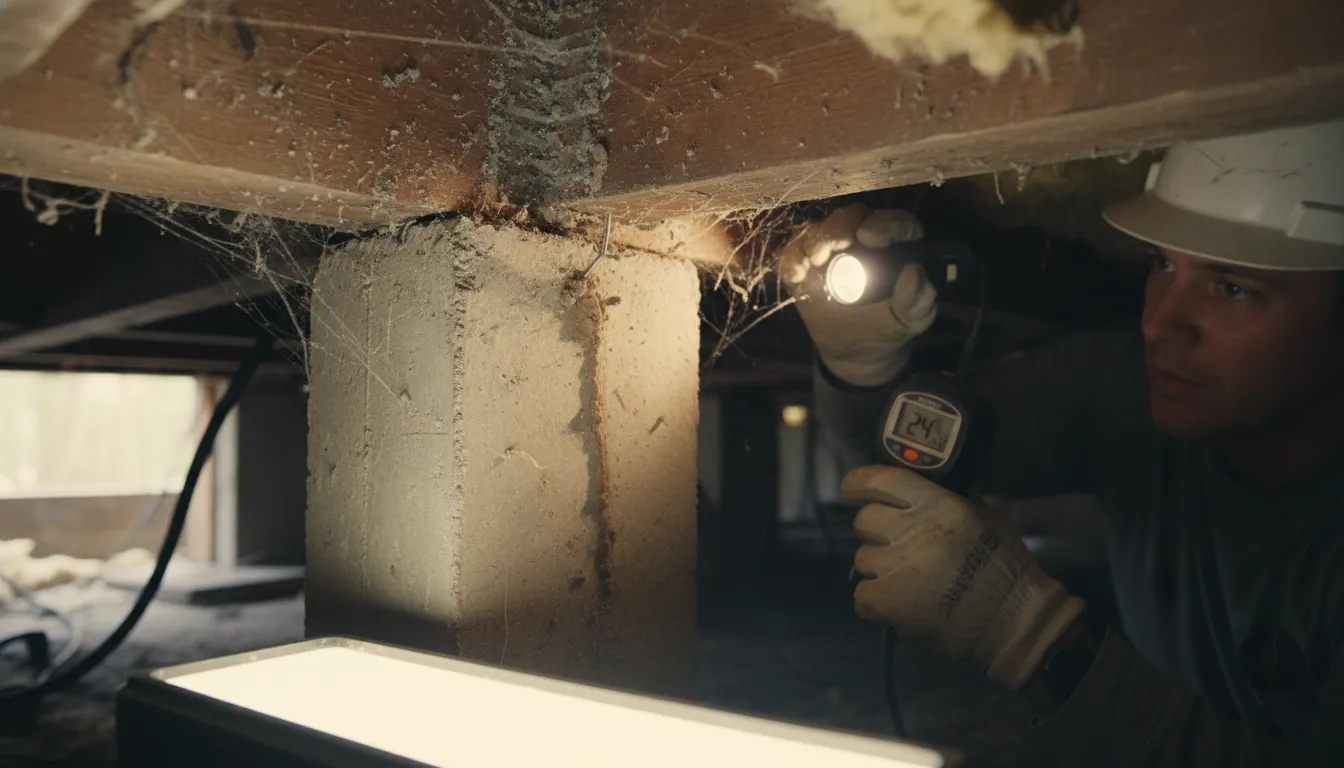
A termite inspection is a specialized evaluation of your property to detect the presence of wood-destroying organisms (WDOs) like termites and the damage they cause. In Fort Lauderdale, where the warm, humid climate creates an ideal environment for these pests, a professional WDO inspection is a critical step in protecting your largest investment. This guide will help you understand what a termite inspection entails, why it's essential for local homeowners, and how to find qualified professionals to assess your property.
Mega Bee Rescues & Pest Control
21451 San Simeon Way Suite 103, Miami, FL 33179
Mega Bee Rescues & Pest Control is a pest control company based in Miami, FL, serving Miami-Dade and Broward counties. They offer eco-friendly pest control solutions for a wide range of pests including ants, cockroaches, termites, bed bugs, rodents, mosquitoes, wasps, and bees. The company specializes in humane bee rescue and removal, safely relocating hives to protect local ecosystems. Established in 2011, Mega Bee Rescues & Pest Control combines advanced pest management techniques with ongoing education to provide effective and environmentally conscious services. They also offer same-day and emergency pest control services to address urgent infestations promptly.
Northwest Exterminating - Miami Gardens
17401 NW 2nd Ave #1, Miami Gardens, FL 33169
Northwest Exterminating - Miami Gardens offers pest control services in Miami, FL, specializing in bed bug treatment, rodent control, termite inspections, mosquito control, and commercial pest management. Their services include no-tent termite control for drywood termites, subterranean termite protection with Sentricon®, and rodent exclusion techniques. They also provide flea and tick control along with disinfectant services to maintain healthy homes and businesses. The company emphasizes thorough inspections and customized treatment plans to address infestations effectively.
In Touch Pest Control
3489 NW 24th St, Lauderdale Lakes, FL 33311
In Touch Pest Control is a locally owned and family-operated pest control company serving Fort Lauderdale, FL, and surrounding South Florida communities. Established in 2005, they offer a range of pest management services including termite treatment, ant and rodent control, wildlife removal, and lawn pest services. Their certified team uses eco-conscious and family-safe methods to address common pests such as termites, ants, roaches, rodents, and outdoor invaders. They provide same-day service and specialize in sealing entry points to prevent rodent damage and health risks.
Bye Bye Termites Pest Control
625 SW 46th Ave, Miami, FL 33134
Bye Bye Termites Pest Control is a termite inspection and pest control company based in Miami, FL. They provide residential and commercial termite management services, specializing in the control of drywood and subterranean termites. The company offers eco-friendly, tailored solutions and handles all fumigation notifications with the state. With over 30 years in the industry, Bye Bye Termites Pest Control emphasizes thorough inspections and effective termite eradication to protect properties from termite damage.
Tower Pest Control Inc
7760 W 20th Ave, Hialeah, FL 33016
Tower Pest Control Inc has been providing eco-friendly pest control services in Miami, FL, and South Florida since 1996. They specialize in treating a wide range of pests including bed bugs, termites, rodents, ants, cockroaches, mosquitoes, bees, and wildlife. Their approach focuses on using non-toxic, environmentally safe products and humane removal techniques to protect homes and businesses while preserving the local ecosystem. With over 25 years of experience, Tower Pest Control offers comprehensive termite inspections and organic pest control solutions tailored to the unique challenges of the Miami area.
Why Termite Inspections Are Crucial in South Florida
The subtropical environment of Fort Lauderdale is a paradise not just for residents, but for termites. With consistent warmth and moisture, the region supports active colonies of both subterranean and drywood termites year-round. These silent destroyers can compromise the structural integrity of a home, often going unnoticed until significant, costly damage has occurred. A professional termite evaluation provides peace of mind, whether you're buying a new home, selling your current one, or simply maintaining your property. The state-mandated Wood-Destroying Organism (WDO) report generated from an inspection is a standard document in real estate transactions, but its value extends far beyond paperwork-it's a vital diagnostic tool for preventative home care.
The Two Main Culprits: Subterranean vs. Drywood Termites
Understanding the enemy is the first step in protection. Fort Lauderdale homes face threats from two primary types of termites, each with distinct behaviors and signs.
Subterranean Termites are the most common and destructive species in Florida. They live in underground colonies and build distinctive mud tubes (about the thickness of a pencil) to travel between their nest and food sources without exposure to air. These tubes are often found on foundation walls, piers, and sill plates. Subterranean termites are attracted to moisture and typically enter a home from the ground up, foraging in areas where wood contacts soil or where damp conditions exist.
Drywood Termites, on the other hand, infest dry, sound wood and do not require contact with soil or external moisture sources. They live entirely within the wood they consume. The most common sign of a drywood termite infestation is the presence of frass-their distinctive fecal pellets, which resemble tiny, hard grains of sawdust or coffee grounds, often found piled beneath "kick-out" holes in infested wood 1 2. You might also notice hollow-sounding wood when tapped or blistered paint on wooden surfaces.
What Inspectors Look For: Signs and Conducive Conditions
A thorough termite inspection, or WDO inspection, involves a meticulous search for both active infestations and conditions that make a property vulnerable.
Direct Evidence of Termites:
- Mud Tubes: The classic sign of subterranean termites, often on foundation walls, in crawl spaces, or on concrete slabs.
- Frass: Piles of tiny, six-sided pellets indicate an active drywood termite colony.
- Damaged Wood: Wood that sounds hollow when tapped, appears crumbly, or shows maze-like patterns (galleries) beneath the surface.
- Swarmers: Discarded wings from reproductive termites near windowsills, doors, or spider webs, often signaling a nearby colony.
- Live Insects: Sightings of worker termites or swarmers themselves.
Conducive Conditions for Infestation: A key part of the inspection is identifying factors that attract termites and promote infestation 3. Inspectors will note:
- Wood-to-Soil Contact: Fence posts, deck supports, or structural wood touching the ground.
- Excessive Mulch: Mulch piled against the home's siding or foundation.
- Moisture Problems: Plumbing leaks, poor drainage, standing water, or faulty gutters/downspouts.
- Ventilation Issues: Inadequate ventilation in crawl spaces or attics leading to high humidity.
- Landscaping: Tree branches or shrubs touching the house, providing a bridge for termites.
The Inspection Process: Step-by-Step
Knowing what to expect can help you prepare for a termite inspection. A comprehensive inspection typically follows a systematic process.
1. Interior Inspection: The inspector will examine all accessible interior areas, paying close attention to baseboards, window and door frames, cabinets, closets, and areas around plumbing fixtures. They will look for frass, damaged wood, and signs of moisture.
2. Exterior and Perimeter Inspection: The exterior foundation, siding, eaves, and attic vents are carefully checked for mud tubes, damaged wood, and cracks that could serve as entry points. The inspector will also assess the grading and drainage around the property.
3. Sub-Area Inspection: This is a critical phase. The inspector will access crawl spaces, basements, and attics-prime locations for termite activity. These areas are checked for mud tubes, wood damage, and conducive moisture conditions.
4. Use of Specialized Tools: While a visual assessment is primary, inspectors often use tools to aid their evaluation:
- Moisture Meters: Detect elevated moisture levels in wood and building materials, a key attractant for termites 4.
- Probes and Picks: Used to gently probe wood suspected of damage to check for hollowness and softness.
- Flashlights and Mirrors: Essential for illuminating and viewing dark, confined spaces.
- Thermal Imaging Cameras: Some inspectors use infrared cameras to identify temperature differences that may indicate moisture pockets or hidden pest activity behind walls 5.
5. The WDO Inspection Report: Upon completion, you will receive a detailed WDO report, a standardized form required by the state of Florida 6 7. This report will clearly state whether evidence of wood-destroying organisms was found ("visible evidence" or "no visible evidence"). If evidence is found, the report will describe the location, extent, and type of infestation (e.g., "subterranean termites, active"). It will also list any conducive conditions observed. Most importantly, the report will include recommendations for treatment and correcting conducive conditions, often accompanied by cost estimates from the inspecting company or a partner 8.
Find the perfect termite inspection companies for your needs
Get personalized recommendations and expert advice
Understanding Inspection Costs in Fort Lauderdale
The cost of a termite inspection in Fort Lauderdale can vary based on the size of the home, its construction type, and the thoroughness of the inspection. Generally, homeowners can expect to pay between $75 and $325 for a standard visual WDO inspection 9. A basic inspection for a real estate transaction typically falls on the lower end of this range. More comprehensive inspections that include advanced tools like thermal imaging or detailed reports for larger, complex properties will be at the higher end.
It's important to distinguish the cost of the inspection from the cost of treatment. The inspection is a diagnostic service. If termites are found, treatment costs are separate and can vary widely:
- Localized/Spot Treatments: For small, accessible drywood infestations, costs may range from $300 to $900.
- Liquid Soil Treatments or Baiting Systems: For subterranean termites, these whole-structure defenses typically range from $1,000 to $2,500 or more.
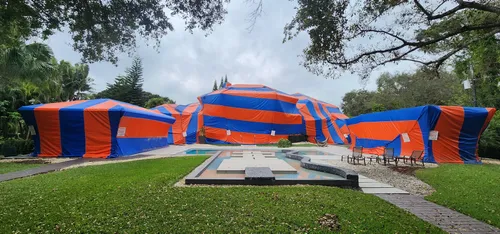
- Whole-House Fumigation (Tenting): For widespread drywood termite infestations, this major procedure can cost between $2,000 and $5,000+, depending on home size 10 11 12.
Many reputable companies offer free inspections, but it's wise to confirm what that inspection includes and whether a detailed WDO report is provided at no charge.
How to Prepare for Your Termite Inspection
To ensure the inspection is as thorough and efficient as possible, you can take a few simple steps:
- Clear Access: Ensure the inspector can easily access your attic, crawl space, garage, and all rooms, including closets. Move stored items away from foundation walls in basements and garages.
- Trim Landscaping: Trim back shrubs, vines, and tree branches at least two feet from the house to allow for a clear view of the exterior foundation and siding.
- Address Moisture: Fix any minor leaks you are aware of and ensure downspouts direct water away from the foundation.
- Move Furniture: In key areas like basements and against exterior walls, pull furniture and boxes a few inches away from the wall to allow for inspection.
Frequently asked questions
Sources
Footnotes
-
Fort Lauderdale WDI & WDO Inspections - Beach Environmental - https://www.beach-environmental.com/pest-control/wdi-wdo-inspection/ ↩
-
Fort Lauderdale Termite Control Services - Hoffer Pest Solutions - https://www.hofferpest.com/pest-control/termite-control/ ↩
-
Complete Guide to Termite Inspection for Home Purchase - https://bettertermite.com/termite-inspection-for-home-purchase/ ↩
-
Termite Inspections: What To Expect And How To Prepare - Petri Pest Control Services - https://www.petrispestcontrol.com/termite-control/termite-inspections-what-to-expect/ ↩
-
What to Expect During a Termite Inspection - Massey Services - https://www.masseyservices.com/termite-control/what-to-expect-free-termite-inspection/ ↩
-
Central & South Florida Termite Inspection - WDO Inspector Florida - https://www.guardianangelinspections.com/termite-inspection-south-florida ↩
-
Termite Inspection in South Florida: A Guide for Homeowners - https://nozzlenolen.com/blog/termite-inspection-in-south-florida-nn/ ↩
-
Termite Inspections Fort Lauderdale - Termite Inspections Broward County - https://www.guardianangelinspections.com/termite-inspection-fort-lauderdale-broward-county ↩
-
Termite Inspections: Identifying And Preventing Costly Damage - https://maxhomeinspections.com/blog/termite-inspection/termite-inspections-costly-damage/ ↩
-
How Much Does a Termite Inspection Cost in Florida? - https://www.hofferpest.com/blog/2025/may/how-much-does-a-termite-inspection-cost-in-flori/ ↩
-
Termite Inspection in Fort Lauderdale, FL - Costs 10 / 2025 - Homeyou - https://www.homeyou.com/fl/termite-inspection-fort-lauderdale-costs ↩
-
How Much Does a Termite Inspection Cost? - https://patriotinspect.com/how-much-does-a-termite-inspection-cost/ ↩