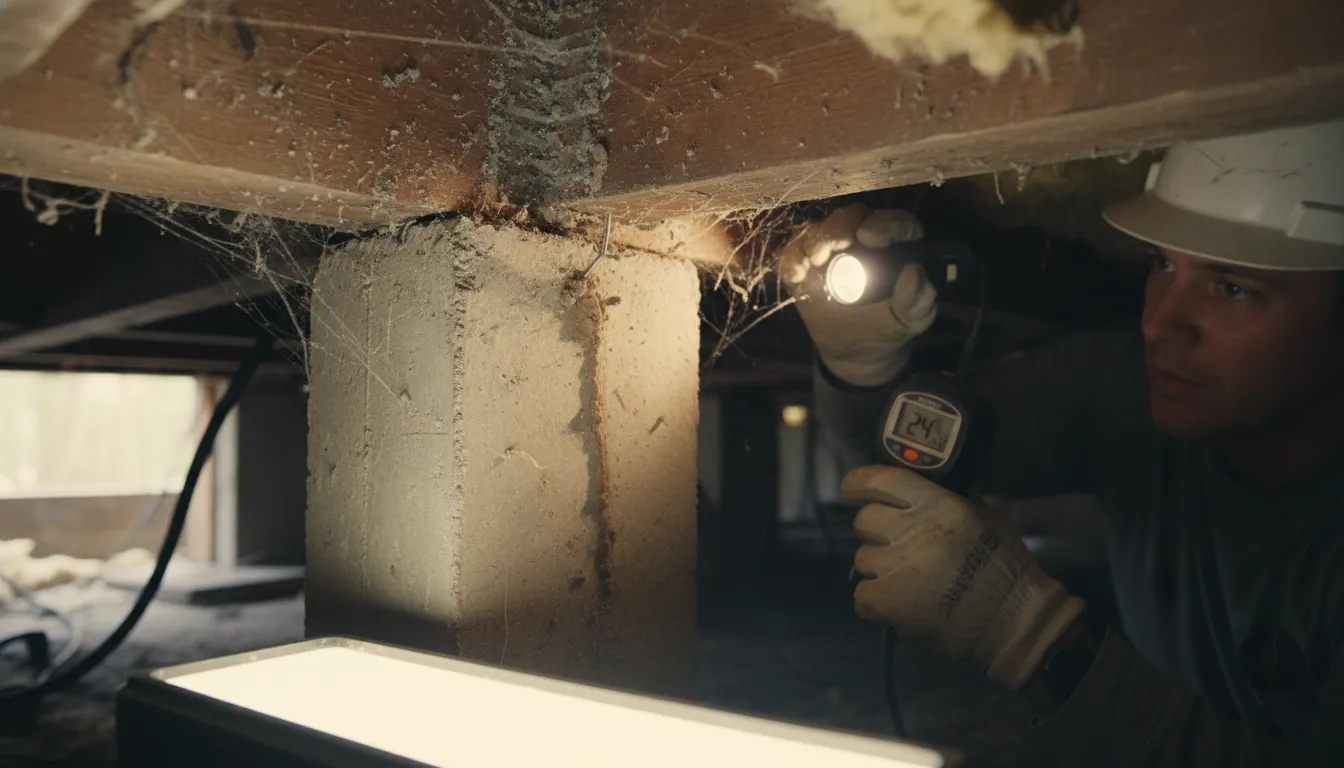
Find the Best Termite Inspection Companies for Your Business
No obligation • Fast responses • Nationwide coverage

Why you can trust Pest Crews
Pest Crews is a leading U.S. resource for finding and evaluating residential and commercial pest control services. Our team researches providers, reviews treatment approaches, and organizes unbiased information to help you make informed decisions. Companies cannot pay to change our editorial content or influence how they appear.
Search providers near you
Top Termite Inspection Companies in Delray Beach, Florida Ranked
A professional termite inspection is a critical evaluation of your property to detect signs of active or past termite infestation and identify conditions that could lead to future problems. In Delray Beach, where the warm, humid climate is ideal for termites, these assessments are essential for protecting your home from costly structural damage. This guide will help you understand what a thorough termite check involves, what local specialists look for, and how to use this information to connect with qualified professionals in your area.
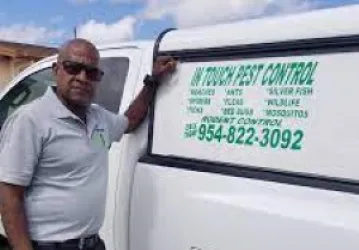
In Touch Pest Control
3489 NW 24th St, Lauderdale Lakes, FL 33311
In Touch Pest Control is a locally owned and family-operated pest control company serving Fort Lauderdale, FL, and surrounding South Florida communities. Established in 2005, they offer a range of pest management services including termite treatment, ant and rodent control, wildlife removal, and lawn pest services. Their certified team uses eco-conscious and family-safe methods to address common pests such as termites, ants, roaches, rodents, and outdoor invaders. They provide same-day service and specialize in sealing entry points to prevent rodent damage and health risks.
Mitchell Pest Services - A Division of Turner Pest Control
4846 N University Dr #291, Lauderhill, FL 33351
Mitchell Pest Services - A Division of Turner Pest Control is a family-owned pest control company serving Fort Lauderdale, FL, and nearby areas since 2014. They provide residential and commercial pest management solutions including bed bug treatment, termite inspections, rodent control, mosquito control, and wildlife removal. Their approach uses integrated pest management techniques focused on identifying root causes and applying environmentally friendly treatments that are safe for homes and businesses. The company emphasizes local expertise to address Fort Lauderdale's unique pest challenges and offers ongoing maintenance to keep properties protected year-round.
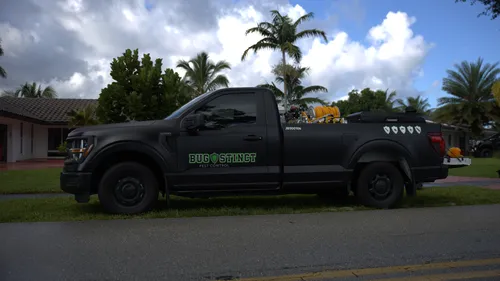
Bugstinct
7901 SW 6th Ct Suite 250 B, Plantation, FL 33324
Bugstinct is a locally owned pest control company serving Fort Lauderdale, FL, and the broader South Florida area. They specialize in controlling a variety of pests including cockroaches, ants, rodents, and termites, offering tailored treatments for both residential and commercial properties. Bugstinct focuses on providing detailed, high-end pest protection solutions designed to keep homes and businesses pest-free throughout the year.
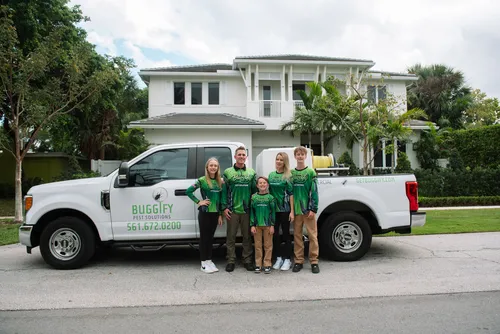
Buggify Pest Solutions
22617 Middletown Dr, Boca Raton, FL 33428
Buggify Pest Solutions is a family-owned pest control company serving Fort Lauderdale, FL, and nearby areas including Boca Raton and Parkland. They provide comprehensive pest management for residential, commercial, and property management clients, addressing pests such as ants, roaches, rodents, termites, mosquitoes, bees, and wasps. Their services also include lawn care and weed control to maintain healthy outdoor spaces. Buggify employs an integrated pest management approach, combining prevention, monitoring, and targeted treatments to ensure effective and environmentally responsible pest control. The company is licensed and offers customized treatment plans tailored to the specific pest challenges of the local tropical climate. They provide free inspections and estimates and accommodate flexible scheduling, including weekend and evening services.
Advantage Pest Related Services, Inc.
2800 NW 22nd Terrace, Pompano Beach, FL 33069
Advantage Pest Related Services, Inc. is a family-owned pest control company serving Fort Lauderdale, FL, and the surrounding Southeast and Southwest Florida areas. They offer environmentally-friendly pest control for homes, lawns, and businesses, addressing common pests such as ants, cockroaches, rodents, termites, mosquitoes, bees, and wasps. Their services include termite inspections and treatments, lawn and shrub care, and fertilization programs. With over 25 years of experience, Advantage specializes in no-tent termite treatments and comprehensive pest management tailored to Florida's unique climate and pest challenges.
Why Termite Inspections Are Crucial in South Florida
Florida's environment is a paradise for termites, particularly the destructive subterranean and drywood species common in Delray Beach. A termite inspection is your first line of defense, designed to uncover hidden activity before it escalates into major structural repairs. These evaluations are not just about finding bugs; they are a comprehensive risk assessment of your property. For homeowners, a clean inspection report provides peace of mind, while a report detailing issues becomes a vital roadmap for necessary treatment and prevention, potentially saving tens of thousands of dollars in damage. For those buying or selling a home, a termite inspection is often a mandatory step in the mortgage process 1.
What a Professional Inspector Looks For
A certified inspector conducts a meticulous visual examination, both inside and outside your home, searching for telltale evidence of termites and the conducive conditions that attract them.
Key Signs of Infestation:
- Mud Tubes: Subterranean termites construct pencil-sized tunnels of mud and saliva to travel between their soil colony and the wood in your home. Inspectors closely examine foundation walls, crawl spaces, and around plumbing penetrations for these tubes.
- Wood Damage: Termites eat wood from the inside out, leaving a thin veneer of paint or wood. Inspectors will tap on baseboards, window frames, and other wood surfaces, listening for a hollow sound and looking for blistering or maze-like patterns within the wood.
- Frass: Drywood termites push out their fecal pellets, called frass, from tiny kick-out holes in infested wood. These piles of tiny, wood-colored granules are a clear sign of an active drywood termite colony, often found near windowsills, door frames, or in attics.
- Discarded Wings: Reproductive termites, or "swarmers," shed their wings after finding a mate to start a new colony. Finding piles of small, identical wings near windows, doors, or light sources often indicates a nearby colony has recently swarmed.
Conducive Conditions: Beyond active signs, a thorough inspector identifies factors that make your property vulnerable:
- Wood-to-Soil Contact: Any structural wood, like siding or fence posts, touching the soil provides direct access for termites.
- Excessive Moisture: Leaky pipes, poor drainage, clogged gutters, and improper grading create the damp soil that subterranean termites require.
- Cellulose Debris: Stacks of firewood, lumber, or even thick mulch beds against the home's foundation can serve as a food source and bridge for termites.
The Inspection Process: Step-by-Step
Knowing what to expect can help you prepare for an inspector's visit. A comprehensive termite evaluation in Delray Beach typically follows a systematic approach.
1. Exterior Inspection The inspector starts outside, walking the perimeter of your home. They examine the foundation for cracks and mud tubes, check soil levels and grading, inspect roof eaves and soffits for damage, and note any wood debris, mulch, or vegetation in contact with the structure 2. Special attention is paid to areas where utilities enter the home, as these are common entry points.
2. Interior Inspection Inside, the inspector will check all accessible rooms. This includes examining baseboards, window and door casings, and built-in cabinets. They will look in closets, pantries, and around plumbing fixtures under sinks and near water heaters, as these areas are prone to moisture 3. Attics and crawl spaces are critically important, as they often reveal the first signs of an infestation in exposed rafters, joists, and subflooring.
3. Use of Specialized Tools While largely visual, inspectors use specific tools to aid their assessment:
- Moisture Meter: This device detects elevated moisture levels in walls and wood, which can indicate a leak and a potential termite hotspot 4.
- Probe or Pick: A simple tool like an ice pick or screwdriver is used to gently probe wood suspected of damage. Soft, crumbling wood is a red flag 5.
- Flashlight and Mirror: Essential for illuminating dark corners, crawl spaces, and attics, and for seeing behind appliances or into tight spaces.
Find the perfect termite inspection companies for your needs
Get personalized recommendations and expert advice
Understanding Your Inspection Report
After the evaluation, you will receive a detailed written report. This document is more than a simple pass/fail; it's a comprehensive snapshot of your property's health. A professional report will include 6:
- Findings: A clear statement on whether evidence of active termites, past termite damage, or conducive conditions was found.
- Photographs: Visual documentation of any issues, such as mud tubes, frass, or wood damage, to help you understand the findings.
- Diagrams: Some reports include a diagram of the property, noting the locations of any findings.
- Recommendations: A crucial section outlining the next steps. This may recommend immediate treatment for active infestations, corrective actions for conducive conditions (e.g., fixing a leak, removing wood-to-soil contact), or a plan for ongoing monitoring and prevention.
Types of Termites Common in Delray Beach
Understanding the enemy is key. Delray Beach homes face threats from two primary types of termites, each requiring different inspection focuses.
Subterranean Termites These are the most common and destructive species in Florida. They live in colonies in the soil and build the characteristic mud tubes to access food sources above ground. During an inspection, the focus is heavily on the foundation, soil line, and any areas of wood-to-ground contact 7 8. They are especially attracted to moisture, so areas around plumbing, air conditioning drip lines, and poor drainage are high-priority zones.
Drywood Termites Unlike their subterranean cousins, drywood termites infest dry, sound wood and do not require contact with soil. They can be introduced into a home via infested furniture or simply fly in during a swarm. Inspectors look for their distinctive frass and tiny kick-out holes in attic framing, wooden furniture, window frames, and door jambs 9 10. Because they can establish colonies in a single piece of wood, inspections must be thorough in all dry wood areas.
Costs and Considerations
The cost of a termite inspection in Delray Beach can vary based on the size of your home, its construction, and the thoroughness of the inspection. Typical fees range from $100 to $300+ 11 12. While this is an out-of-pocket expense, it is minimal compared to the cost of repairing termite damage. Many companies offer free or reduced-cost inspections if you proceed with a treatment plan. When choosing a provider, look for licensed, insured professionals with experience in Florida's specific termite threats. A reputable inspector will take their time, explain their findings clearly, and provide a detailed, written report.
Frequently asked questions
Sources
Footnotes
-
Guide to Pest Inspections Before Buying House in Florida - https://nozzlenolen.com/blog/comprehensive-pest-control-plan-nn/ ↩
-
Complete Guide to Termite Inspection for Home Purchase - https://bettertermite.com/termite-inspection-for-home-purchase/ ↩
-
What Happens During a Termite Inspection - Terminix - https://www.terminix.com/termite-control/inspection/ ↩
-
Termite Inspections: What to Expect and How to Prepare - https://www.petrispestcontrol.com/termite-control/termite-inspections-what-to-expect/ ↩
-
What to Expect from a Professional Termite Inspection & Treatment - https://pinellastermite.com/professional-termite-inspection-and-treatment-what-to-expect/ ↩
-
Termite Inspection in South Florida: A Guide for Homeowners - https://nozzlenolen.com/blog/termite-inspection-in-south-florida-nn/ ↩
-
What to Expect During a Termite Inspection - Massey Services - https://www.masseyservices.com/termite-control/what-to-expect-free-termite-inspection/ ↩
-
Essential Guide to Termite Protection in Florida | Port St. Lucie ... - https://www.barrybugs.com/post/essential-guide-to-termite-protection-in-florida-port-st-lucie-delray-beach ↩
-
Termite Inspections In Florida - Reynolds Pest Control - https://www.reynoldspest.com/termite-inspections-in-florida ↩
-
Identifying and Protecting Against Termites in Florida | Delray Beach - https://www.barrybugs.com/post/identifying-and-protecting-against-termites-in-florida-port-st-lucie-delray-beach ↩
-
How Much Does a Termite Inspection Cost in Florida? - https://www.hofferpest.com/blog/2025/may/how-much-does-a-termite-inspection-cost-in-flori/ ↩
-
How Much are Termite Inspections on Oahu: Understanding the Costs - Mid-Pacific Pest Control - https://mauipestcontrol.com/oahu-pest-control/how-much-are-termite-inspections-on-oahu-understanding-the-costs/ ↩