Find the Best Termite Inspection Companies for Your Business
No obligation • Fast responses • Nationwide coverage

Why you can trust Pest Crews
Pest Crews is a leading U.S. resource for finding and evaluating residential and commercial pest control services. Our team researches providers, reviews treatment approaches, and organizes unbiased information to help you make informed decisions. Companies cannot pay to change our editorial content or influence how they appear.
Search providers near you
Top Termite Inspection Companies in Fort Pierce, Florida Ranked
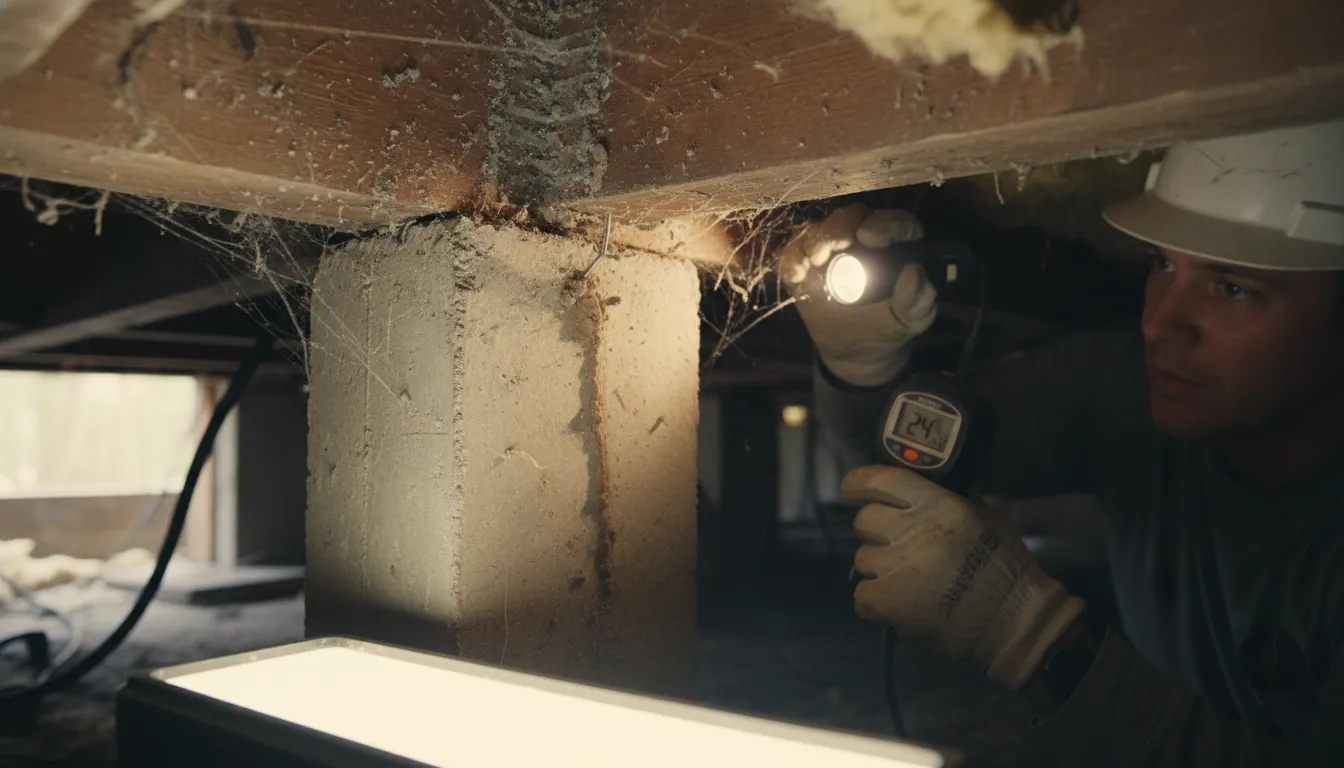
A termite inspection is a specialized assessment of your property to detect the presence or evidence of wood-destroying organisms. In Florida's warm, humid climate, these inspections are a critical defense against costly structural damage. This guide explains what a thorough termite evaluation in Fort Pierce entails, how to interpret the findings, and how to connect with qualified local professionals who can protect your investment.
Ben's Pest Control, llc
1592 SE Village Green Dr C, Port St. Lucie, FL 34952
Ben's Pest Control, LLC is a family-owned pest control company based in Port St Lucie, FL. They provide full-service pest and termite control for homeowners in Port St Lucie and surrounding areas including Stuart, Fort Pierce, Vero Beach, and Jensen Beach. Their services include cockroach and rodent control as well as termite inspections and treatments. The company focuses on protecting homes from pest damage and contamination.
JCM Building Services
117 NE Naranja Ave, Port St. Lucie, FL 34983
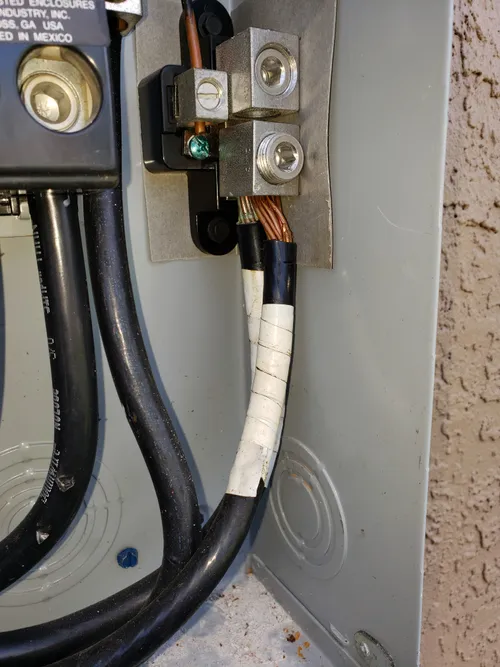
JCM Building Services is a termite inspection company based in Port St Lucie, FL. They provide a range of inspection services including termite inspections, home inspections, wind mitigation, roof inspections, and moisture intrusion inspections. The company uses infrared thermal imaging as a standard part of their home inspections to detect hidden issues. JCM Building Services also offers commercial property inspections and insurance-related inspections. Their services help homeowners and commercial clients understand the condition of their properties and identify potential problems such as moisture intrusion and termite damage.
Nozzle Nolen Pest Solutions
513 NW Enterprise Dr, Port St. Lucie, FL 34986
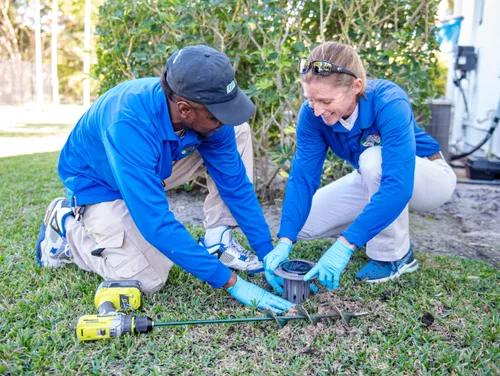
Nozzle Nolen Pest Solutions is a pest control company serving Port St Lucie, FL, with expertise in rodent control, termite inspections, mosquito control, and commercial pest management. They offer year-round pest and rodent control plans, including environmentally sensitive Integrated Pest Management (IPM) and customizable service bundles. Established in 1951, Nozzle Nolen has a long-standing reputation in South Florida and uses eco-friendly methods to protect properties while maintaining a commitment to ethical business practices.
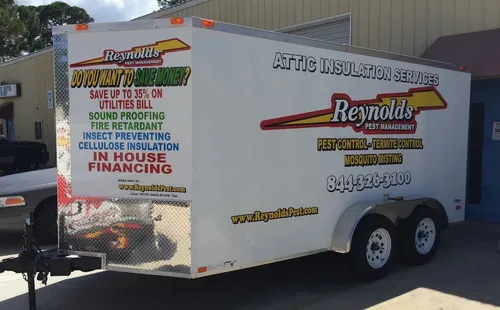
Reynolds Pest Management, Inc.
1572 SE South Niemeyer Cir, Port St. Lucie, FL 34952
Reynolds Pest Management, Inc. is a family-owned pest control company serving Port St Lucie, FL, and surrounding areas including Jupiter and South Florida. Established in 1991, they provide a range of pest management services such as bed bug treatment, termite inspections, rodent control, mosquito control, and wildlife removal. With over 25 years of experience, Reynolds Pest Management offers comprehensive solutions for both residential and commercial properties.
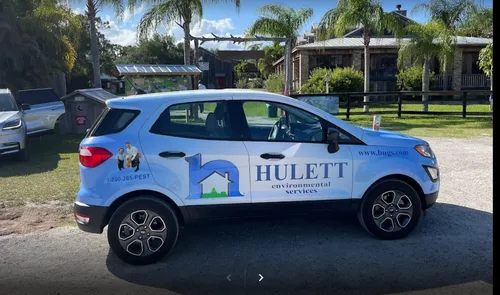
Hulett Environmental Services
2820 Reynolds Dr, Fort Pierce, FL 34945
Hulett Environmental Services provides comprehensive pest control and termite treatment in Port St Lucie, FL. Serving the surrounding South Florida area, they offer services for residential and commercial properties, including bed bug treatment, rodent control, termite inspections, mosquito control, and bird and bee removal. With over 50 years of experience, Hulett Environmental Services uses proactive and eco-friendly methods such as no-tent termite treatments and targeted larvicidal mosquito control to manage infestations effectively.
Why Termite Inspections Are Essential in Fort Pierce
The subtropical environment of Florida's Treasure Coast is ideal for termites, making regular inspections not just a recommendation but a necessity for property maintenance. Subterranean and drywood termites are pervasive here, and they can cause significant, often hidden, damage to the structural integrity of a home long before visible signs appear. For homeowners, a professional inspection provides peace of mind and a clear picture of your property's vulnerability. For buyers and sellers, it's a standard part of real estate due diligence, often required for mortgage approval. Proactive detection through a wood-destroying organism (WDO) inspection is the most effective way to avoid extensive and expensive repairs down the line.
Common Termite Species Found on the Treasure Coast
Understanding the enemy is the first step in defense. Fort Pierce properties are primarily threatened by two main types of termites, each with distinct behaviors.
- Subterranean Termites: This is the most common and destructive group in Florida. They live in colonies underground and build distinctive mud tubes to travel between their soil nest and their food source-the wood in your home. They can consume wood rapidly, often from the inside out, leaving a thin veneer of wood or paint intact. The highly aggressive Formosan termite, a type of subterranean termite, is also present in the region1 2.
- Drywood Termites: Unlike their subterranean cousins, drywood termites infest dry, sound wood and do not require contact with soil. They often enter through attic vents or under roof eaves. A key sign of a drywood termite infestation is the presence of tiny, six-sided fecal pellets known as frass, which they push out of their galleries.
What a Professional Inspector Looks For
A certified termite inspector is trained to identify both active infestations and conditions that make your property attractive to termites. The inspection is a meticulous search for evidence and risk factors.
Signs of Active Infestation:
- Mud Tubes: Pencil-sized tunnels made of soil and saliva on foundation walls, piers, sill plates, or in crawl spaces. These are a telltale sign of subterranean termites.
- Damaged Wood: Wood that sounds hollow when tapped, appears crushed, or has a honeycombed interior. Inspectors will probe susceptible wood with a tool to check its integrity.
- Frass: The fine, sawdust-like droppings from drywood termites, often found in small piles near infested wood.
- Swarmers & Discarded Wings: The reproductive termites (alates) that emerge in swarms, often in spring. Finding their shed wings on windowsills, in spider webs, or near light sources indicates a nearby colony3 4.
- Bubbling or Peeling Paint: This can sometimes indicate moisture buildup from termite activity within the wall.
Conducive Conditions (Risk Factors): Inspectors also document issues that invite future problems. Correcting these is a key part of prevention 5:
- Wood-to-soil contact (e.g., fence posts, deck stairs, siding).
- Excessive mulch or landscaping material piled against the foundation.
- Poor drainage or plumbing leaks that create moisture.
- Firewood, lumber, or cardboard stored directly against the home.
- Cracks in the foundation or exterior mortar.
The Step-by-Step Inspection Process
Knowing what to expect can help you prepare for an inspector's visit. A comprehensive termite inspection in Fort Pierce typically follows a systematic approach.
1. Exterior Inspection: The inspector will walk the entire perimeter of your home. They examine the foundation, siding, eaves, trim, and any attached structures like decks or porches for mud tubes, wood damage, and conducive conditions. The soil line and landscaping are closely scrutinized.
2. Interior Inspection: Inside, the inspector checks areas where termites are likely to travel or infest. This includes baseboards, window and door frames, cabinets, closets, and plumbing access points. They will look for signs like frass, wings, or damaged wood.
3. Attic and Crawl Space Examination: These often-overlooked areas are prime targets for both subterranean and drywood termites. The inspector will use a bright light to examine rafters, joists, sheathing, and insulation for any evidence of activity6.
4. Tool-Assisted Evaluation: Professionals don't rely on sight alone. They use moisture meters to detect elevated humidity levels within walls-a potential sign of a hidden mud tube or leak. Probes and screwdrivers are used to test the firmness of wood in suspect areas 7.
5. Reporting: After the inspection, you will receive a detailed report. The best reports include photos of any evidence found, a diagram of the property noting areas of concern, a description of conducive conditions, and a clear recommendation for any needed treatment or preventative measures8 9.
Find the perfect termite inspection companies for your needs
Get personalized recommendations and expert advice
Understanding Inspection Costs and Related Treatment
The cost for a standalone termite inspection in the Fort Pierce area generally ranges from $150 to $25010 11. This fee covers the time, expertise, and detailed report from a licensed professional. Many companies offer this inspection for free if you sign up for a treatment or monitoring plan.
It's crucial to understand that an inspection fee is separate from the cost of treatment, should any be needed. Treatment costs vary dramatically based on the species, the extent of the infestation, the size of your home, and the method required (e.g., localized bait stations, liquid soil barriers, or whole-structure fumigation for drywood termites). Treatments can range from several hundred to several thousand dollars. Your inspection report will be the foundation for any treatment proposal.
A Critical Note for Home Buyers and Sellers: The Termite Bond
In Florida real estate transactions, you may encounter the term "assumable termite bond." This is a service agreement transferred from seller to buyer. It is vital to understand that this bond is not a guarantee against future termite damage12. It is typically a renewable contract for annual inspections and retreatments if termites return to originally treated areas. When purchasing a home, request a clear disclosure of any past termite damage and treatment, and review the specific terms of any existing bond. A current WDO inspection report from a reputable provider is the most reliable document for your decision-making.
Proactive Prevention for Fort Pierce Homeowners
After an inspection, addressing the "conducive conditions" noted in your report is your best long-term defense. Simple steps include:
- Eliminating all wood-to-soil contact around your foundation.
- Ensuring gutters and downspouts direct water away from the house.
- Storing firewood and lumber off the ground and away from the structure.
- Sealing cracks and crevices in the foundation and exterior walls.
- Scheduling regular follow-up inspections, often annually, to monitor for new activity.
Taking these preventative measures seriously can significantly reduce your risk of a future infestation and protect the value of your Fort Pierce home.
Frequently asked questions
Sources
Footnotes
-
Termite Inspections: What to Expect and How to Prepare - https://www.actionpestcontrol.com/2025/01/15/termite-inspections-what-to-expect-and-how-to-prepare/ ↩
-
Types of Termites in Florida: Common Species - https://www.flapest.com/termites/identification/what-termites-are-in-my-area/ ↩
-
Termite Inspections for Homebuyers: Requirements & Costs - https://www.freedommortgage.com/learning-center/articles/termite-inspection-home-purchase ↩
-
Complete Guide to Termite Inspection for Home Purchase - https://bettertermite.com/termite-inspection-for-home-purchase/ ↩
-
Termite Inspections: Identifying And Preventing Costly Damage - https://maxhomeinspections.com/blog/termite-inspection/termite-inspections-costly-damage/ ↩
-
Why Termite Inspections Matter for Florida Homeowners - https://www.hopehomeinspections.com/inspection-information/termites/ ↩
-
Termite Inspections In Florida - Reynolds Pest Management - https://www.reynoldspest.com/termite-inspections-in-florida ↩
-
What to Expect During a Termite Inspection - Massey Services - https://www.masseyservices.com/termite-control/what-to-expect-free-termite-inspection/ ↩
-
Termite Inspections: What to Expect and How to Prepare - https://www.petrispestcontrol.com/termite-control/termite-inspections-what-to-expect/ ↩
-
Termite Inspection in South Florida: A Guide for Homeowners - https://nozzlenolen.com/blog/termite-inspection-in-south-florida-nn/ ↩
-
How Much Does a Termite Inspection Cost? - https://patriotinspect.com/how-much-does-a-termite-inspection-cost/ ↩
-
WDO Inspections in Fort Pierce - 360 Pest Control - https://360pestpro.com/fort-pierce/ ↩