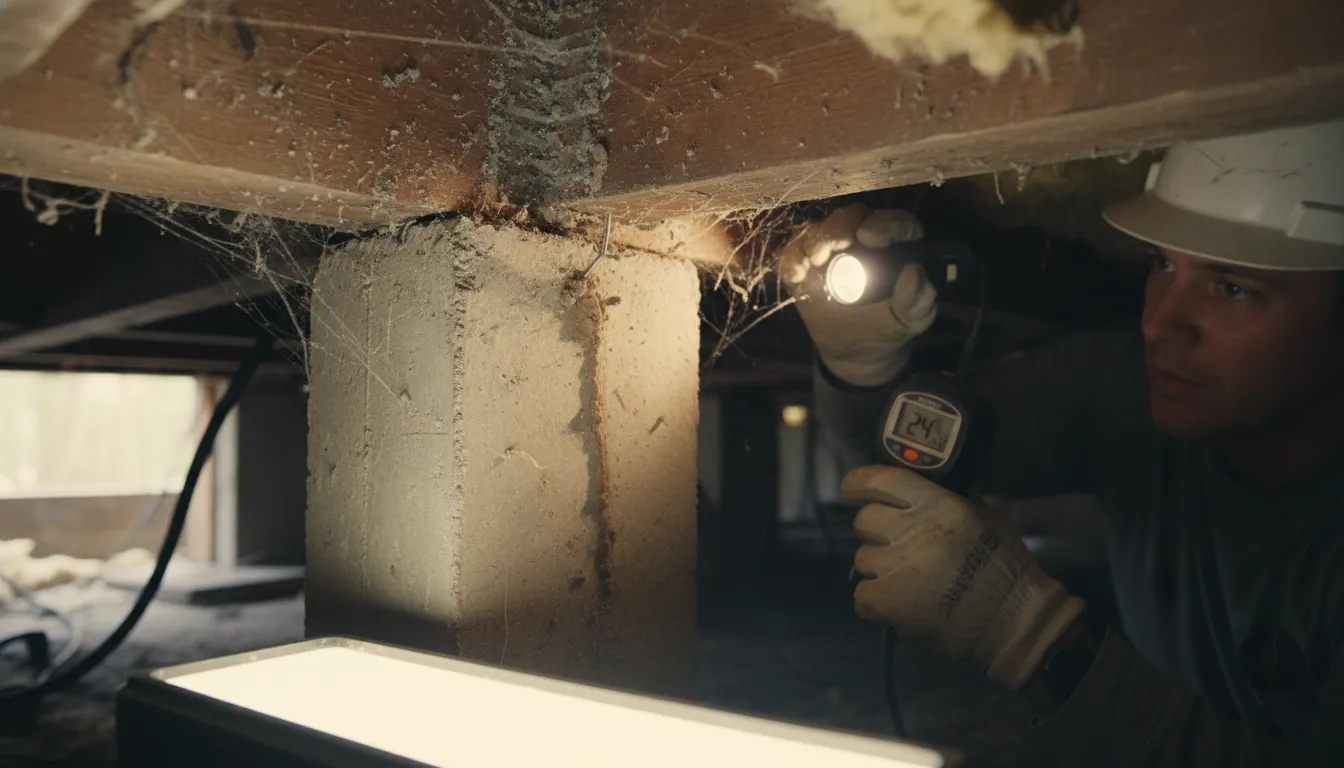
Find the Best Termite Inspection Companies for Your Business
No obligation • Fast responses • Nationwide coverage

Why you can trust Pest Crews
Pest Crews is a leading U.S. resource for finding and evaluating residential and commercial pest control services. Our team researches providers, reviews treatment approaches, and organizes unbiased information to help you make informed decisions. Companies cannot pay to change our editorial content or influence how they appear.
Search providers near you
Top Termite Inspection Companies in Kissimmee, Florida Ranked
A professional termite inspection is a critical evaluation of your property to detect the presence of wood-destroying organisms, primarily termites. In a humid, termite-prone environment like Kissimmee, these assessments are essential for protecting your home's structural integrity and value. This guide explains what a termite inspection entails, the specific threats in our area, and how you can find qualified local professionals to conduct this vital service for your home or business.

Custom Pest Solutions Inc
2200 N Forsyth Rd K-09, Orlando, FL 32807
Custom Pest Solutions Inc is a pest control and wildlife removal company based in Orlando, FL. They provide customized pest and animal control services tailored to the unique environments of homes and businesses in Central Florida. Their approach emphasizes green pest control methods that are environmentally responsible and safe for families, pets, and employees. The company uses integrated pest management strategies, including preventative measures and habitat modification, to manage pests sustainably while protecting the comfort and security of their clients' properties.

RH Miller Pest Services, Inc
137 Concord Dr STE 1101, Casselberry, FL 32707
RH Miller Pest Services, Inc is a pest control company based in Orlando, FL, serving both residential and commercial clients. They provide a range of services including rodent control, termite inspections, wildlife removal, and lawn application treatments. The company offers Integrated Pest Management (IPM) and rodent exclusion as part of their capabilities. Appointments are typically available Monday through Friday during regular business hours.
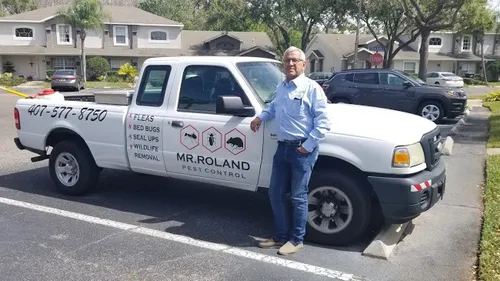
Mr Roland Pest Control, LLC
1830 Island Walk Dr, Orlando, FL 32824
Mr Roland Pest Control, LLC is a family-owned pest control company based in Orlando, FL, serving residential and commercial properties in the area and surrounding Central Florida. With over six years of experience, they provide licensed and certified pest control services including rodent removal, bed bug treatment, mosquito reduction, termite services, and wildlife relocation. Their approach includes not only extermination but also decontamination of affected areas to ensure thorough pest management.
Rowland Pest Management, Inc.
2609 Wells Ave, Casselberry, FL 32730
Rowland Pest Management, Inc. is a family-owned pest control company serving Orlando, FL, and surrounding Central Florida communities. They provide pest control services for homes and small businesses, including treatment for ants, cockroaches, bed bugs, rodents, termites, mosquitoes, and wasps. Their approach includes thorough pest inspections and eco-friendly, pet- and family-safe products. The company offers same-day and Saturday appointments to address infestations quickly. Since 2015, Rowland Pest Management has specialized in targeted termite treatments with ongoing monitoring and monthly mosquito control to reduce disease-carrying insects.
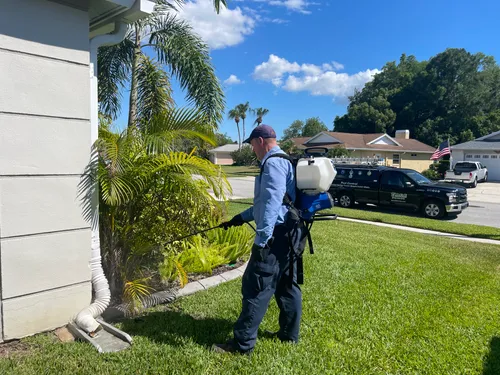
McCall Pest & Wildlife - Orlando
5892 S Semoran Blvd Building B, Orlando, FL 32822
McCall Pest & Wildlife - Orlando provides pest control services in Orlando, FL, addressing common pests such as cockroaches, ants, rodents, termites, mosquitoes, and wildlife. With over 80 years of experience, the company offers both residential and commercial pest management solutions, including termite inspections and mosquito control. Their QualityPro-certified technicians use Integrated Pest Management plans tailored to each client's needs to manage and prevent pest issues effectively.
Why Termite Inspections Are Crucial in Central Florida
Kissimmee's warm, moist climate creates an ideal habitat for several destructive species of termites. These pests work silently, often causing extensive damage to structural wood before homeowners ever see a sign. A professional termite evaluation is your first line of defense, identifying active infestations, past damage, and conditions that could attract future colonies 1. Regular inspections can prevent minor issues from escalating into major, costly repairs that compromise the safety of your home.
Common Termite Species Found in Kissimmee
Understanding the enemy is key. Local pest control experts are trained to identify the specific behaviors and evidence left by these common Florida termites:
- Eastern Subterranean Termites: The most common and destructive species in the region. They live in underground colonies and build distinctive mud tubes to travel between their nest and food sources, often causing severe structural damage before they are detected.
- Drywood Termites: Unlike subterranean types, drywood termites infest dry wood above ground and do not require contact with soil. They leave behind tiny, hard fecal pellets called frass, which resemble sawdust or coffee grounds, as well as discarded wings near windowsills 2.
- Formosan Termites: An aggressive subterranean species sometimes called "super termites" due to their large colony size and rapid consumption of wood. They are a significant threat and require expert identification and treatment 3.
- Dampwood Termites: As the name implies, these termites are attracted to wood with high moisture content. They are less common in structures unless there is a persistent water leak or wood is in direct contact with damp soil 4.
What Inspectors Look For: Key Signs of Infestation
During a termite check, a certified inspector conducts a meticulous search for both direct evidence of termites and conditions that invite them. Key indicators include:
- Mud Tubes: Pencil-sized tunnels made of soil and saliva on foundation walls, piers, sill plates, and floor joists. These are a hallmark of subterranean termites.
- Wood Damage: Termites eat wood from the inside out, leaving a thin veneer of wood or paint. Tapping on wood may produce a hollow sound, and probing may reveal compromised, easily punctured wood.
- Frass: The presence of small, six-sided fecal pellets indicates a drywood termite infestation 5.
- Discarded Wings: Swarmers (reproductive termites) shed their wings after finding a mate. Piles of tiny, identical wings near doors, windows, or light sources are a common sign of a nearby colony.
- Visual Changes: Bubbling or peeling paint that resembles water damage, sagging floors, or misaligned doors and windows can all point to hidden termite activity.
Inspectors also assess conducive conditions that increase your home's risk, such as wood-to-soil contact (e.g., fence posts, deck stairs), excessive moisture from leaks or poor drainage, cracks in the foundation, and storage of firewood or debris against the house 6.
The Inspection Process: Interior and Exterior
A comprehensive termite assessment covers every accessible area of your property. Here's what you can expect:
Exterior Inspection: The inspector will examine the entire perimeter of your home. This includes the foundation, siding, eaves, porches, decks, and fences. They will look for mud tubes, damaged wood, and, crucially, points where soil or mulch touches wooden structures 7. The inspection extends to nearby trees, stumps, and outbuildings that could harbor colonies.
Interior Inspection: Inside, the inspector will check vulnerable areas like baseboards, window and door frames, and areas under sinks for moisture and damage. Attics and crawlspaces are critically examined, as these dark, often humid spaces are prime targets for both subterranean and drywood termites. They will look for frass, wings, and damaged wood in these often-overlooked areas.
Inspection Tools: While a thorough visual examination is the cornerstone, inspectors may use advanced tools. Moisture meters detect hidden dampness in walls. Infrared cameras can identify temperature differences caused by moisture or hollowed-out wood behind surfaces. Acoustic detection devices can sometimes pick up on the sounds of termites chewing within walls 8.
Find the perfect termite inspection companies for your needs
Get personalized recommendations and expert advice
Understanding Termite Inspection Costs in Kissimmee
The cost of a termite inspection in Kissimmee is an investment in your property's longevity. Prices typically range from $75 to $150 for a basic visual inspection of accessible areas 9 10. For a more detailed evaluation that includes hard-to-reach areas like dense crawlspaces or the use of advanced tools like infrared cameras, costs can range from $200 to $325 or more 9 10.
Several factors influence the final price:
- Home Size and Layout: Larger homes or those with complex designs (multiple stories, many additions) take longer to inspect.
- Accessibility: Easily accessible attics and crawlspaces reduce inspection time, while cramped or obstructed areas increase it.
- Company and Expertise: Rates may vary between local providers based on their experience, certifications, and reputation.
- Bundled Services: Many companies offer a reduced-rate or even free inspection if you proceed with a treatment plan or ongoing pest control service 11.
How to Prepare for Your Inspection
To ensure the inspection is as thorough and efficient as possible, homeowners can take a few simple steps:
- Clear Access: Move stored items, boxes, and furniture away from interior walls, especially in basements, garages, and closets. Ensure the inspector has clear access to the attic hatch and crawlspace entrance.
- Trim Vegetation: Cut back shrubs, vines, and tree branches that are touching the house's exterior walls or roof.
- Address Moisture: Fix any leaking faucets, downspouts, or irrigation systems that keep soil or wood damp around the foundation.
- Move Firewood: Relocate firewood, lumber, or debris piles at least 20 feet away from the structure 12.
- Note Concerns: Make a list of any areas where you've seen suspicious signs (e.g., mud, wings, damaged wood) to point out to the inspector.
The Inspection Report and Next Steps
After the evaluation, you should receive a detailed written report, often on a standardized form like the Florida FDACS-13645 or NPMA-33 Wood Destroying Organism report 13. This document will note any evidence of active or previous infestations, damage found, and conducive conditions. If termites are found, the inspector will discuss treatment options, which may include liquid soil treatments, baiting systems, or wood treatments for drywood termites. Even if no active termites are found, the report serves as a valuable baseline for future inspections and a useful document for real estate transactions.
Frequently asked questions
Sources
Footnotes
-
Why Termite Inspections Matter for Florida Homeowners - https://www.hopehomeinspections.com/inspection-information/termites/ ↩
-
Common Termites & Signs You Have an Infestation - Deans Services - https://www.deansservices.com/blog/common-termites-north-florida-signs-you-have-termite-infestation ↩
-
Termite Identification: Facts, Information, & Pictures - https://hawxpestcontrol.com/termite-control-services/ ↩
-
Types of Termites in Florida: Termite Identification & Control Guide - https://www.barrybugs.com/post/types-of-termites-in-florida-termite-identification-and-control-guide ↩
-
Termite Inspections In Florida - Reynolds Pest Control - https://www.reynoldspest.com/termite-inspections-in-florida ↩
-
Termite Inspections: What to Expect and How to Prepare - https://www.petrispestcontrol.com/termite-control/termite-inspections-what-to-expect/ ↩
-
Full Guide to Professional Termite Inspections for Home Inspectors - https://www.homegauge.com/learning/home-inspectors-termites/ ↩
-
What Does A Termite Inspector Look For? - AG Pest Control - https://www.agpest.com/what-does-a-termite-inspector-look-for/ ↩
-
How Much Does a Termite Inspection Cost in Florida? - https://www.hofferpest.com/blog/2025/may/how-much-does-a-termite-inspection-cost-in-flori/ ↩ ↩2
-
How Much Does It Cost to Get a Termite Inspection in ... - https://www.beaconpestservices.com/blog/2022/june/how-much-does-it-cost-to-get-a-termite-inspectio/ ↩ ↩2
-
How Much Is a Termite Inspection? Complete Cost Overview - HomeLight - https://www.homelight.com/blog/how-much-is-a-termite-inspection/ ↩
-
How to Prepare Your House for a Termite Inspection? - https://www.hitechtermite.com/articles/how-to-prepare-your-house-for-a-termite-inspection ↩
-
Kissimmee WDO Inspections - Forms FDACS-13645 or Form NPMA ... - https://www.pestcontrolkissimmeefl.com/kissimmee-wdo-inspection-florida/ ↩