Find the Best Termite Inspection Companies for Your Business
No obligation • Fast responses • Nationwide coverage

Why you can trust Pest Crews
Pest Crews is a leading U.S. resource for finding and evaluating residential and commercial pest control services. Our team researches providers, reviews treatment approaches, and organizes unbiased information to help you make informed decisions. Companies cannot pay to change our editorial content or influence how they appear.
Search providers near you
Top Termite Inspection Companies in Sarasota, Florida Ranked
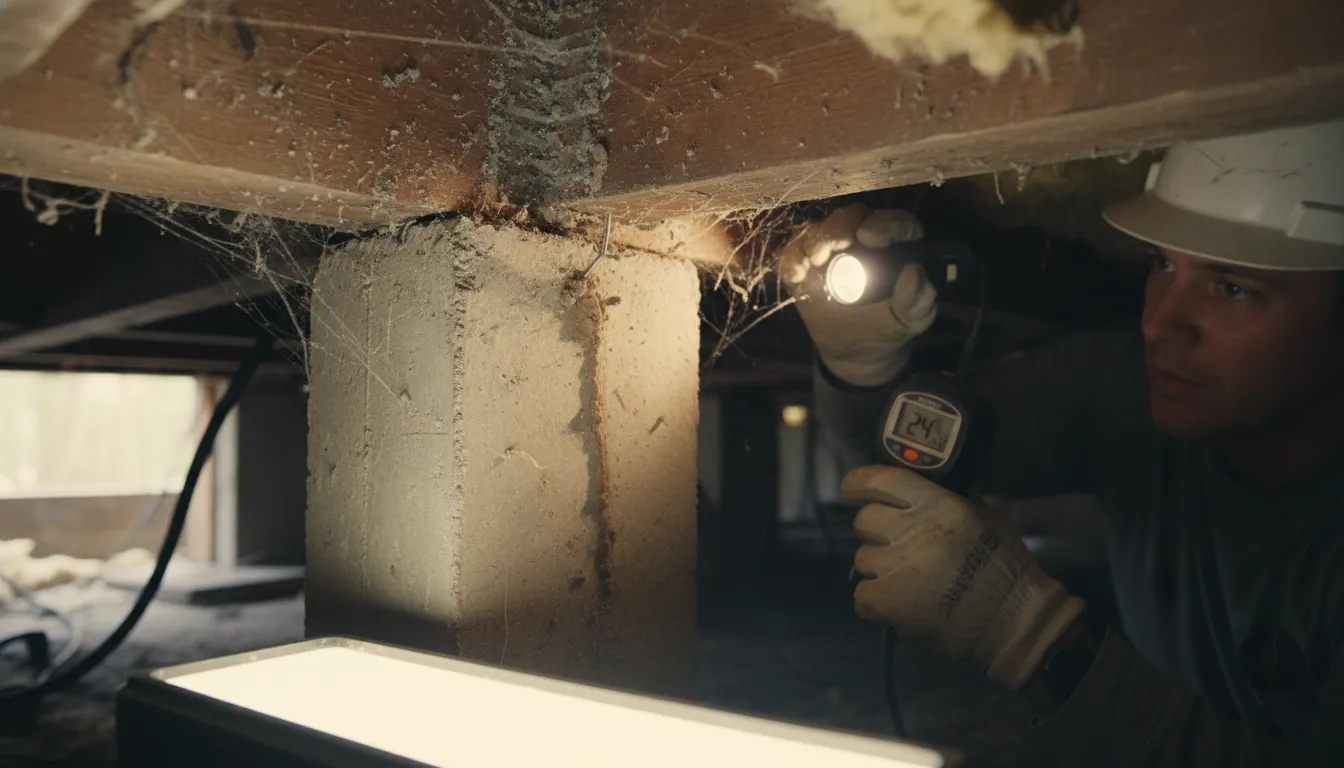
A termite inspection is a specialized assessment of your property to detect the presence or risk of wood-destroying organisms. In Sarasota's warm, humid climate, these evaluations are not just a formality-they are a critical defense against costly structural damage. This guide explains what a termite check involves, what inspectors look for, and how you can use this information to connect with qualified local professionals who can protect your investment.
All U Need Pest Control
1517 S U.S. Hwy 41, Ruskin, FL 33570
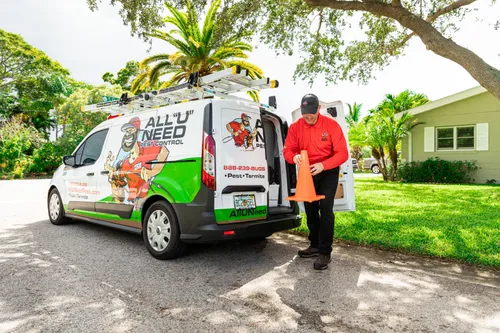
All U Need Pest Control provides customized pest control solutions for homes and businesses in Tampa, FL, and surrounding areas. Since 2003, the company has specialized in family- and pet-friendly treatments, addressing common pests such as rodents and termites. They utilize the Sentricon® System with Always Active™ technology for termite control and offer rodent tracking, trapping, and treatment to protect against health risks. Their services cover a broad region from Southwest Florida to Tampa Bay and beyond.
HomeTeam Pest Defense
310 1st St NE, Ruskin, FL 33570
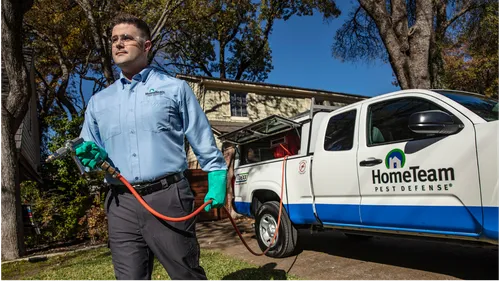
HomeTeam Pest Defense provides pest control services in St Petersburg, FL, specializing in managing ants, roaches, rodents, termites, mosquitoes, bed bugs, and more. Their comprehensive approach includes exterior inspections, cobweb and wasp nest removal, conventional treatments, and the use of the Taexx® pest control system when available. They also offer termite control with soil treatments, baiting systems, and borate wood treatments for new construction. The company serves multiple nearby communities and focuses on protecting homes from a wide range of pests common in Florida's environment. Their technicians are trained and background-checked to ensure dependable service.
Pestherapy Inc.
7711 108th Ave Cir E, Parrish, FL 34219
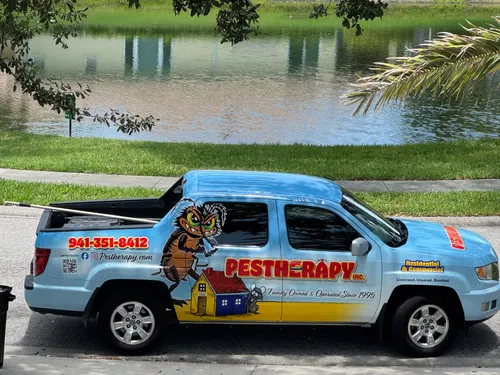
Pestherapy Inc. is a family-owned pest control company serving residential and commercial properties in St Petersburg, FL, as well as Manatee and Sarasota counties. Established in 1995, the company offers pest, rodent, and termite control services using people- and pet-friendly products. They provide thorough inspections and treatments, including rodent trapping and exclusion, with a focus on long-term pest management.
Hughes Exterminators
2506 Manatee Ave W, Bradenton, FL 34205
Hughes Exterminators is a pest control company based in Tampa, FL, offering services in ant control, rodent control, termite inspections, mosquito control, bee and wasp removal, and wildlife removal. They address a variety of local pest threats including subterranean termites, multiple ant species, mosquitoes carrying diseases, fleas, ticks, fire ants, stinging insects, rodents, and wildlife such as squirrels and raccoons. Their expertise includes managing complex infestations that require species-specific treatments to effectively protect homes and health.
Paragon Pest Control
6219 90th Ave Cir E, Parrish, FL 34219
Paragon Pest Control is a family-owned business serving St Petersburg, FL, and surrounding areas including parts of Polk County. They provide a wide range of pest control services for residential and commercial properties, including termite inspections, bed bug treatments, rodent exclusion, mosquito reduction, and nuisance animal removal. Paragon uses environmentally friendly, integrated pest management solutions and humane methods for wildlife removal. With over 15 years of experience, they offer specialized treatments for pests such as fire ants, fleas, ticks, and subterranean termites.
Why Termite Inspections Are Essential in Sarasota
Florida's subtropical environment is a paradise not just for residents but also for termites. The consistent warmth and moisture create ideal conditions for colonies to thrive year-round. For Sarasota homeowners, this means the threat of infestation is constant and can lead to severe, hidden damage to a home's wooden framework. Regular termite evaluations are a proactive measure to identify problems early, often before visible signs appear, saving you from extensive and expensive repairs down the line.
Common Termite Species in Sarasota
Understanding your enemy is key. Sarasota properties are typically vulnerable to a few primary types of termites:
- Subterranean Termites: The most common and destructive type in Florida. They live in underground colonies and build distinctive mud tubes to travel between their nest and food sources (your home's wood). They require contact with soil and are attracted to moisture.
- Drywood Termites: These pests live entirely within the wood they consume and do not need soil contact. They are often detected by the piles of sand-like fecal pellets, called frass, that they push out of their galleries 1.
- Conehead Termites: An invasive species of concern in Florida. They are aggressive foragers and do not build mud tubes, which can make them harder to detect initially 2.
What a Professional Inspector Looks For
A thorough termite inspection, or wood-destroying organism (WDO) inspection, is a meticulous process. The inspector acts like a detective, searching for both direct evidence of termites and the conditions that attract them.
Evidence of Active Infestation
The inspector will examine every accessible area for telltale signs:
- Mud Tubes: Pencil-sized tunnels made of soil and saliva on foundation walls, piers, sill plates, or in crawlspaces. These are a hallmark of subterranean termites.
- Frass: Drywood termites leave behind piles of tiny, wood-colored, granular pellets. Finding this "termite sawdust" near baseboards, in attics, or on windowsills is a clear indicator 3 4.
- Damaged Wood: Wood that sounds hollow when tapped, appears crushed, or has a honeycombed interior. Inspectors may use a probe to check for weakened timber.
- Discarded Wings: Swarming termites, or "alates," shed their wings after finding a mate. Piles of small, identical wings near windows, doors, or light sources signal a nearby colony 5.
- Visible Termites: While often hidden, workers or swarmers themselves may be spotted.
Conducive Conditions for Infestation
Even without active termites, certain conditions make a property highly vulnerable. Inspectors note these to help you prevent future problems 6:
- Wood-to-Soil Contact: Any structural wood, like siding, door frames, or deck posts, touching the soil is a major risk.
- Excess Moisture: Leaky pipes, poor drainage, clogged gutters, and insufficient ventilation in crawlspaces create the damp environment termites crave.
- Cracks and Crevices: Gaps in the foundation or around utility lines provide easy entry points.
- Cellulose Debris: Stacks of firewood, lumber, or even thick mulch piled against the house can serve as a bridge and a food source.
The Inspection Process: Step-by-Step
A comprehensive termite assessment follows a systematic approach to ensure no area is overlooked 7.
1. Exterior Inspection: The inspector walks the perimeter of your home, examining the foundation, siding, eaves, and any attached structures like porches or decks. They look for mud tubes, damaged wood, and problematic wood-to-soil contact. Nearby trees, stumps, and fences are also checked.
2. Interior Inspection: Inside, the inspector examines baseboards, window and door frames, ceilings, and floors. They will pay special attention to areas like bathrooms, kitchens, and laundry rooms where moisture is common. Walls may be sounded or probed in suspect areas.
3. Inspection of Critical Sub-Areas: Attics, crawlspaces, basements, and garages are meticulously searched. These often-dark, undisturbed areas are prime locations for both drywood and subterranean termite activity.
4. Use of Specialized Tools: Beyond a flashlight and probe, professionals may use:
- Moisture Meters: To detect hidden dampness within walls or under floors that could indicate a leak and attract termites 8.
- Infrared Cameras: To identify temperature differences behind walls that may signal moisture or hollowed-out wood.
5. Documentation & Reporting: The findings are compiled into a detailed report. This document is crucial-it outlines any evidence of infestation, notes conducive conditions, and typically includes recommendations for treatment and prevention.
Find the perfect termite inspection companies for your needs
Get personalized recommendations and expert advice
Understanding Inspection Costs in Sarasota
The price of a termite inspection in Sarasota can vary based on the size of your home, its construction, and the depth of the inspection 9.
- Basic Visual Inspection: Typically ranges from $50 to $150. This covers a standard visual check of the interior and exterior of the home.
- Detailed/Advanced Inspection: Can cost $200 to $325 or more. This higher fee includes a more thorough investigation of crawlspaces, attics, and other sub-areas, and often involves advanced tools like infrared cameras or moisture meters. The comprehensive report provided is a key part of this service 10 11.
Remember, this is an investment in your peace of mind and the structural integrity of your home. When comparing options, consider the inspector's experience, tools used, and the comprehensiveness of the report, not just the upfront cost.
How to Prepare for an Inspection
To ensure the inspector can do a complete job, you can take a few simple steps:
- Clear clutter from your basement, garage, and attic access points.
- Move items away from the walls in your basement and crawlspace.
- Ensure the inspector has clear access to your electrical panel, water heater, and HVAC system.
- Trim back any shrubs or vegetation that are touching your home's exterior.
After the Inspection: Next Steps
If the report shows no active infestation, you'll have valuable information on any risk factors to address. If termites are found, the report will detail the extent and type, serving as a roadmap for treatment. Discuss the findings with the inspector or a recommended pest management professional to understand your treatment options, which can range from localized spot treatments to whole-structure fumigation, depending on the species and severity.
Frequently asked questions
Sources
Footnotes
-
Get Rid Of Termites In Sarasota, FL - https://sarasotaflpestcontrol.com/get-rid-of-termites/ ↩
-
My house has termites in Sarasota Florida - Now what? - https://aapestservices.com/fl-pest-control/my-house-has-termites-in-sarasota-florida-now-what/ ↩
-
Termite Inspections In Florida - Reynolds Pest Control - https://www.reynoldspest.com/termite-inspections-in-florida ↩
-
Signs of Termites in Furniture & Wooden Fixtures - https://pinellastermite.com/signs-of-termites-in-furniture-wooden-fixtures/ ↩
-
Termite Inspections: What to Expect and How to Prepare - https://www.petrispestcontrol.com/termite-control/termite-inspections-what-to-expect/ ↩
-
Understand What Attracts Termites to Your Property - https://www.mightymitetermite.com/blog/what-causes-termites/ ↩
-
What Does A Termite Inspector Look For? - AG Pest Control - https://www.agpest.com/what-does-a-termite-inspector-look-for/ ↩
-
Why Termite Inspections Matter for Florida Homeowners - https://www.hopehomeinspections.com/inspection-information/termites/ ↩
-
How Much Does a Termite Inspection Cost in Florida? - https://www.hofferpest.com/blog/2025/may/how-much-does-a-termite-inspection-cost-in-flori/ ↩
-
How Much Is a Termite Inspection? Complete Cost Overview - https://www.homelight.com/blog/how-much-is-a-termite-inspection/ ↩
-
Termite & WDO Inspections - https://noble-pi.com/termite ↩