Find the Best Termite Inspection Companies for Your Business
No obligation • Fast responses • Nationwide coverage

Why you can trust Pest Crews
Pest Crews is a leading U.S. resource for finding and evaluating residential and commercial pest control services. Our team researches providers, reviews treatment approaches, and organizes unbiased information to help you make informed decisions. Companies cannot pay to change our editorial content or influence how they appear.
Search providers near you
Top Termite Inspection Companies in Sunrise, Florida Ranked
A termite inspection is a specialized evaluation of your property to detect the presence or evidence of wood-destroying organisms (WDOs), primarily termites. In Sunrise, this service is critical due to the region's warm, humid climate, which creates an ideal environment for these destructive pests. Understanding the scope of a termite check can help you protect your investment, whether you're buying a home, maintaining your current property, or fulfilling insurance requirements. This guide will help you understand what a professional termite evaluation entails, what inspectors look for, and how to prepare for one.
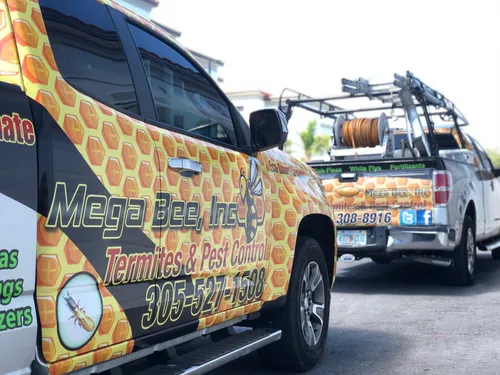
Mega Bee Rescues & Pest Control
21451 San Simeon Way Suite 103, Miami, FL 33179
Mega Bee Rescues & Pest Control is a pest control company based in Miami, FL, serving Miami-Dade and Broward counties. They offer eco-friendly pest control solutions for a wide range of pests including ants, cockroaches, termites, bed bugs, rodents, mosquitoes, wasps, and bees. The company specializes in humane bee rescue and removal, safely relocating hives to protect local ecosystems. Established in 2011, Mega Bee Rescues & Pest Control combines advanced pest management techniques with ongoing education to provide effective and environmentally conscious services. They also offer same-day and emergency pest control services to address urgent infestations promptly.
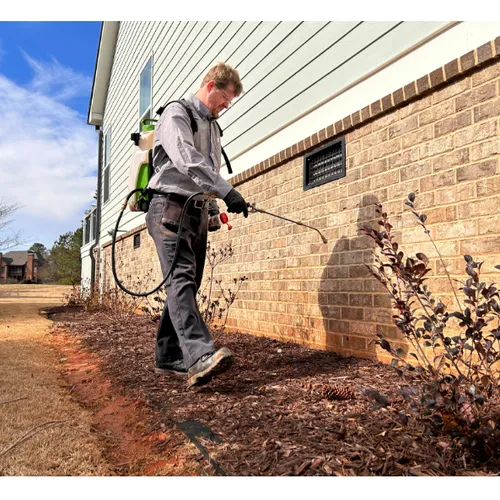
Northwest Exterminating - Miami Gardens
17401 NW 2nd Ave #1, Miami Gardens, FL 33169
Northwest Exterminating - Miami Gardens offers pest control services in Miami, FL, specializing in bed bug treatment, rodent control, termite inspections, mosquito control, and commercial pest management. Their services include no-tent termite control for drywood termites, subterranean termite protection with Sentricon®, and rodent exclusion techniques. They also provide flea and tick control along with disinfectant services to maintain healthy homes and businesses. The company emphasizes thorough inspections and customized treatment plans to address infestations effectively.
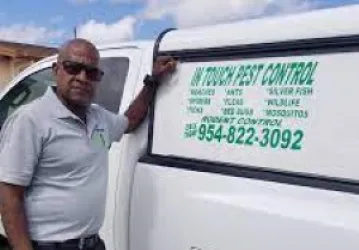
In Touch Pest Control
3489 NW 24th St, Lauderdale Lakes, FL 33311
In Touch Pest Control is a locally owned and family-operated pest control company serving Fort Lauderdale, FL, and surrounding South Florida communities. Established in 2005, they offer a range of pest management services including termite treatment, ant and rodent control, wildlife removal, and lawn pest services. Their certified team uses eco-conscious and family-safe methods to address common pests such as termites, ants, roaches, rodents, and outdoor invaders. They provide same-day service and specialize in sealing entry points to prevent rodent damage and health risks.
Bye Bye Termites Pest Control
625 SW 46th Ave, Miami, FL 33134
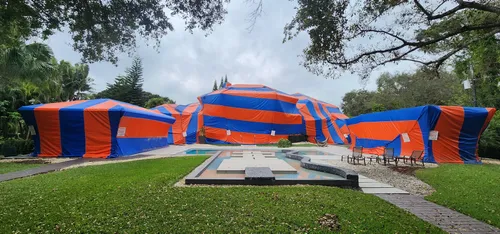
Bye Bye Termites Pest Control is a termite inspection and pest control company based in Miami, FL. They provide residential and commercial termite management services, specializing in the control of drywood and subterranean termites. The company offers eco-friendly, tailored solutions and handles all fumigation notifications with the state. With over 30 years in the industry, Bye Bye Termites Pest Control emphasizes thorough inspections and effective termite eradication to protect properties from termite damage.
Tower Pest Control Inc
7760 W 20th Ave, Hialeah, FL 33016
Tower Pest Control Inc has been providing eco-friendly pest control services in Miami, FL, and South Florida since 1996. They specialize in treating a wide range of pests including bed bugs, termites, rodents, ants, cockroaches, mosquitoes, bees, and wildlife. Their approach focuses on using non-toxic, environmentally safe products and humane removal techniques to protect homes and businesses while preserving the local ecosystem. With over 25 years of experience, Tower Pest Control offers comprehensive termite inspections and organic pest control solutions tailored to the unique challenges of the Miami area.
Why Termite Inspections Are Essential in Sunrise
Sunrise, Florida's subtropical climate is a major factor in its high termite activity. The consistent warmth and humidity provide perfect conditions for termites to thrive and reproduce year-round 1. For homeowners, this means the risk of infestation is ever-present. A professional termite inspection is the first line of defense, often required during real estate transactions and highly recommended as part of routine home maintenance. These evaluations can identify not only active infestations but also conditions that are conducive to future problems, allowing you to address issues before they lead to significant structural damage and costly repairs.
Common Termite Species in South Florida
Knowing your enemy is half the battle. In Sunrise, inspectors are primarily on the lookout for two main types of termites, each with distinct behaviors and signs.
Subterranean Termites: This group includes the native Eastern subterranean termite and the highly destructive Formosan subterranean termite. They live in large colonies underground and build distinctive mud tubes (shelter tubes) to travel between their nest and food sources without being exposed to air 2. These pencil-sized tubes are often found on foundation walls, in crawl spaces, or on other vertical surfaces.
Drywood Termites: Unlike their subterranean cousins, drywood termites infest dry, sound wood and do not require contact with soil. They live within the wood they consume, creating internal galleries. Key signs of a drywood termite problem include the presence of small, hard fecal pellets (often resembling sawdust or coffee grounds) and discarded wings near windowsills or light sources, which are shed by swarmers 3 4.
What Does a Termite Inspector Look For?
A comprehensive termite inspection, often called a WDO (Wood-Destroying Organism) inspection, involves a meticulous visual examination of both the interior and exterior of a structure. Inspectors are trained to identify direct evidence of termites and conditions that could attract them.
Exterior Inspection Points
- Foundation and Slab: Checking for mud tubes, cracks, and any wood-to-soil contact, which is a major attractant for subterranean termites 5.
- Siding, Trim, and Eaves: Looking for blistered or damaged wood, mud tubes, and kick-out holes (tiny holes where drywood termites push out their fecal pellets).
- Decks, Porches, and Fences: Inspecting where these structures meet the house and checking support posts for decay or damage.
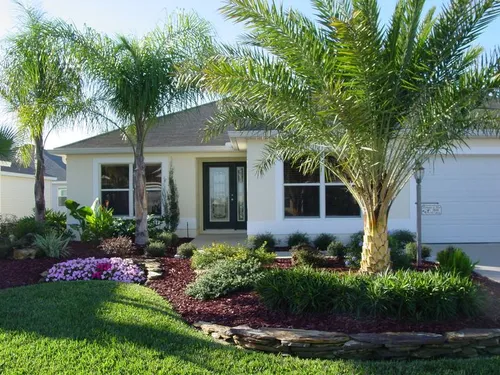
- Vegetation and Mulch: Assessing whether mulch or dense vegetation is too close to the foundation, retaining moisture and providing a bridge for termites.
Interior Inspection Points
- Baseboards and Door/Window Frames: Tapping on wood to listen for a hollow sound, which can indicate internal damage, and looking for fine cracks or bubbling paint.
- Walls and Floors: Checking for any signs of moisture damage, warping, or visible tunnels in wood.
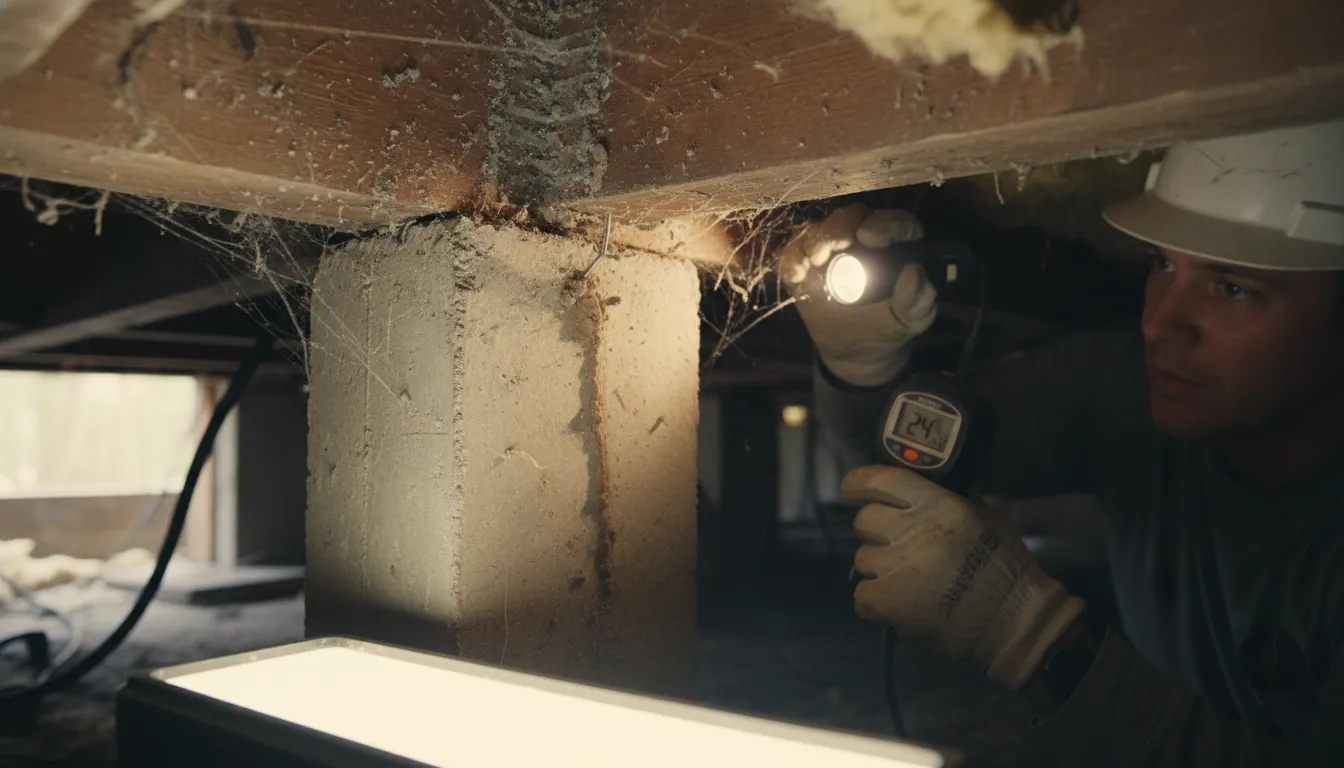
- Attics and Crawlspaces: These are critical, hidden areas where termites often go undetected. Inspectors look for mud tubes on joists, damaged wood, termite droppings, and shed wings 6. They often use specialized tools like infrared cameras and moisture meters in these spaces to detect anomalies behind walls or under floors.
Key Signs of Termite Activity You Can Spot
While a professional inspection is necessary for a definitive diagnosis, being aware of common signs can prompt you to schedule one:
- Mud Tubes: The classic sign of subterranean termites. These fragile, earth-colored tubes are typically found on foundations, in crawlspaces, or along pipes.
- Damaged or Hollow-Sounding Wood: Wood that sounds papery or hollow when tapped may have been tunneled from the inside.
- Frass: This is the technical term for drywood termite droppings. These six-sided, granular pellets often accumulate in small piles below "kick-out" holes.
- Discarded Wings: After swarming, reproductive termites (alates) shed their wings. Piles of identical, small wings near windows, doors, or spider webs are a strong indicator of a nearby colony.
- Visible Termites: Worker termites are creamy-white and soft-bodied, while swarmers are dark-colored with two pairs of equal-length wings.
Find the perfect termite inspection companies for your needs
Get personalized recommendations and expert advice
The Inspection Process: What to Expect
When you schedule a termite inspection in Sunrise, you can expect a thorough process that typically takes one to two hours for an average single-family home. The inspector will conduct a detailed visual examination of all accessible areas, both inside and out 7. They will use standard tools like a flashlight, screwdriver, and ladder, and may employ advanced technology like infrared thermal imaging cameras to detect temperature differences caused by moisture or termite activity behind walls 8.
The inspector will compile their findings into a detailed report, often using a standardized form like the NPMA-33 WDO Inspection Report. This report will note any evidence of active or previous termite infestation, damage caused by WDOs, and conditions conducive to future infestations (e.g., excessive moisture, wood debris, earth-to-wood contact) 9. Following the inspection, the professional should review the report with you, explaining any findings and recommending appropriate next steps, which could range from monitoring and correcting conducive conditions to proposing a treatment plan.
Understanding Inspection Costs and Preparation
In Sunrise, the cost for a standard termite inspection generally ranges from $150 to $30010 11 12. This fee can vary based on the size and age of your home, its foundation type, and whether it's a standalone inspection or bundled with a general home inspection. Some companies may offer free or reduced-cost inspections if you sign up for a monitoring or treatment service.
To ensure the inspection is as effective as possible, a little preparation is helpful:
- Clear Access: Move stored items, boxes, and furniture away from interior walls, especially in garages, basements, and closets. Clear the perimeter of your home's exterior.
- Provide Access: Ensure the inspector can easily access the attic hatch, crawlspace entrance, electrical panel, and areas under sinks.
- Trim Vegetation: Trim back any shrubs, vines, or tree branches that are touching the house to allow for a clear view of the exterior walls and foundation.
Frequently asked questions
Sources
Footnotes
-
A Guide To Different Types of Termites - Scout Pest Control ↩
-
Understanding Termite Behavior: Keys To Successful Infestation Management In Longview ↩
-
What to Expect When We Perform a Termite Inspection in Your Home ↩
-
Termite Inspection in South Florida: A Guide for Homeowners ↩
-
Termite Inspections: Cost and What to Expect - U.S. News Real Estate ↩