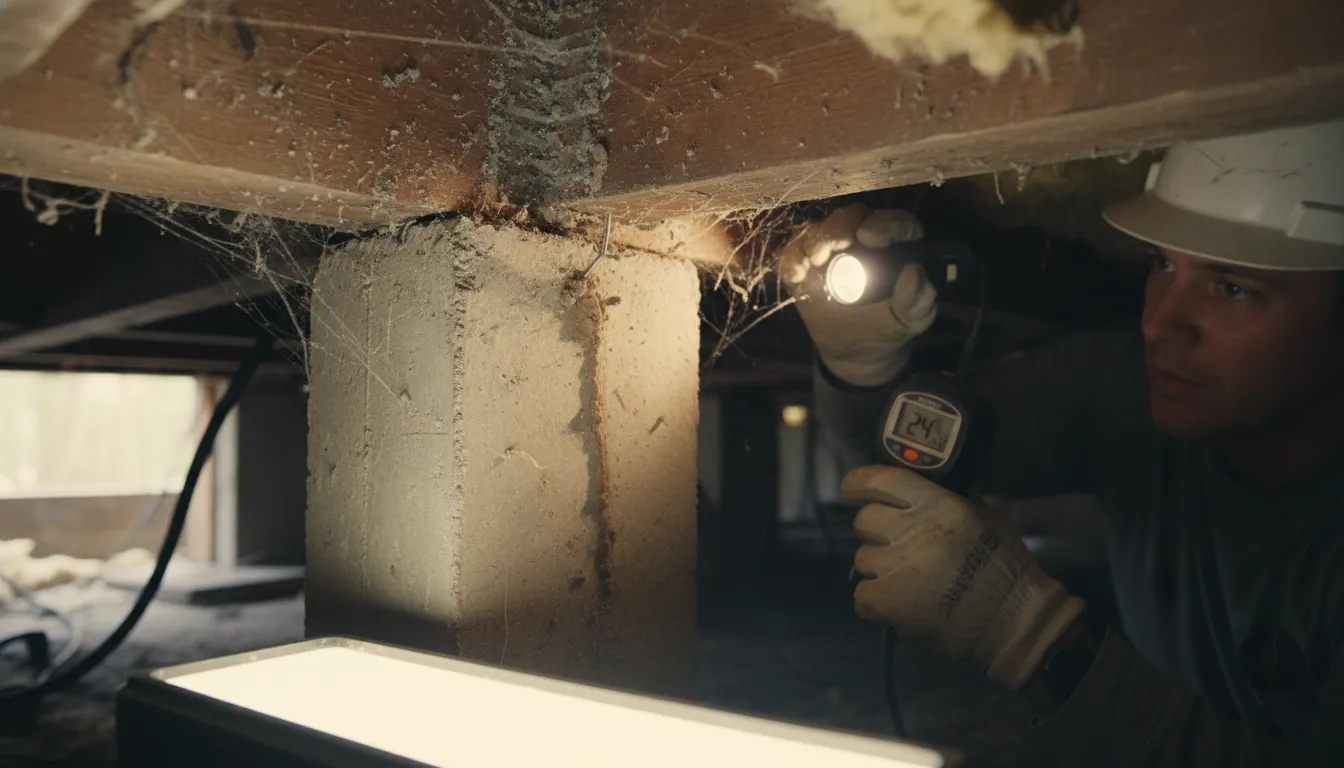
Find the Best Termite Inspection Companies for Your Business
No obligation • Fast responses • Nationwide coverage

Why you can trust Pest Crews
Pest Crews is a leading U.S. resource for finding and evaluating residential and commercial pest control services. Our team researches providers, reviews treatment approaches, and organizes unbiased information to help you make informed decisions. Companies cannot pay to change our editorial content or influence how they appear.
Search providers near you
Top Termite Inspection Companies in Conroe, Texas Ranked
A termite inspection is a critical evaluation of your property to detect the presence or evidence of wood-destroying insects and the conditions that attract them. In Conroe, this service is especially vital due to the prevalence of destructive subterranean termites that can cause significant structural damage. This guide helps you understand what a termite inspection entails, what local inspectors look for, and how to use this information to connect with qualified professionals in your area.
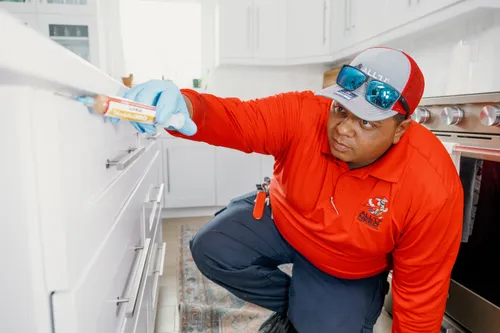
All U Need Pest Control
13330 Telge Rd Suite 308, Cypress, TX 77429
All U Need Pest Control has been providing customized, family- and pet-friendly pest control solutions in Houston, TX since 2003. They offer services for rodent control, termite inspections using the Sentricon® System with Always Active™ technology, bee and wasp removal, and commercial pest control. Their approach includes creating tailored pest management plans based on local climate, landscaping, and pest activity to effectively protect homes and businesses.
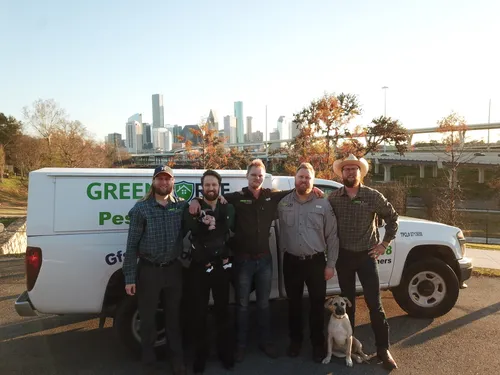
GreenForce Pest Solutions
20816 Sunshine Ln, Spring, TX 77388
GreenForce Pest Solutions is a family-owned pest control company serving Houston, TX, and the greater Houston area since 2015. They provide residential and commercial pest control services including termite inspections, mosquito control, and rodent extermination. The company offers emergency pest control with same-day scheduling and is licensed and insured. Their team is bilingual and available for urgent pest issues around the clock.
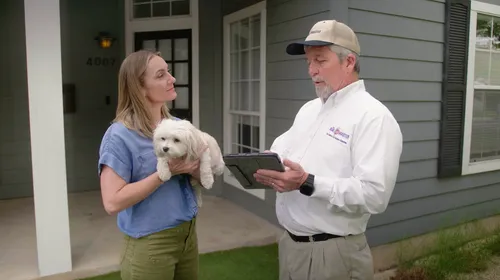
The Bug Master
603 Nursery Rd, The Woodlands, TX 77380
The Bug Master provides pest control and prevention services in Houston, TX, focusing on residential and commercial properties in The Woodlands area. Their services cover common household pests such as ants, cockroaches, spiders, and scorpions, as well as mosquitoes, termites, rodents, and urban wildlife like raccoons and skunks. They offer termite inspections and treatments using the Sentricon® termite baiting system to protect properties from termite damage. The company also delivers commercial pest control tailored to various business types, including restaurants and warehouses, ensuring pest-free work environments. The Bug Master serves multiple neighborhoods in The Woodlands, including Alden Bridge, Cochran's Crossing, and Sterling Ridge.

Orkin
1420 N Sam Houston Pkwy E Ste 120, Houston, TX 77032
Orkin provides comprehensive pest control services in Houston, TX, addressing common pests such as cockroaches, ants, mosquitoes, rodents, termites, bed bugs, and stinging insects. They offer customized pest management plans for both residential and commercial properties, utilizing methods like dry foam void filler, Sentricon® bait, and liquid barriers for termite control. With over 120 years of experience, Orkin combines science-backed solutions with local pest knowledge. The company also offers 24/7 availability to respond promptly to pest issues in the Houston area.
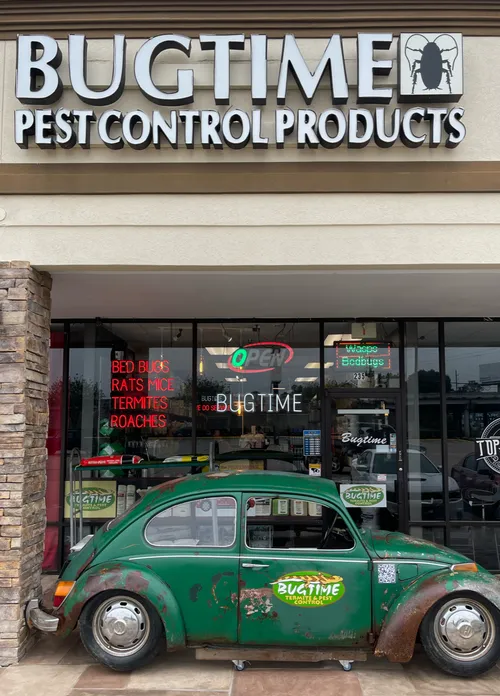
Bugtime Termite & Pest Control
235 Farm to Market 1960 Bypass Rd E, Humble, TX 77338
Bugtime Termite & Pest Control is a veteran-run, family-owned pest control company serving Houston, TX, and surrounding areas including Humble, Atascocita, Conroe, Spring, and The Woodlands. Since 1998, they have provided both residential and commercial pest control services, specializing in termite inspections, cockroach and ant control, mosquito management, bee and wasp removal, and wildlife removal. Their approach includes detailed inspections and targeted treatment plans with an emphasis on eco-friendly methods and preventative measures. Bugtime offers emergency pest control services and uses advanced technology to address infestations efficiently while prioritizing the safety of families and businesses.
Why Termite Inspections Are Essential in Conroe
The warm, humid climate of Southeast Texas creates an ideal environment for termites. For Conroe homeowners, the primary threat comes from subterranean termites, including the highly destructive Formosan termite, which is known for its aggressive colonies and ability to target homes built on concrete slabs. These pests work silently, often going unnoticed until substantial damage has occurred. A professional termite evaluation is your first line of defense, identifying not only active infestations but also potential risk factors around your property. Whether you're buying a new home, selling your current one, or simply performing routine maintenance, scheduling a wood-destroying insect inspection is a proactive step in protecting your largest investment.
Common Termites and Pests Found in Conroe Inspections
A thorough inspection in Conroe doesn't just look for one type of pest. Inspectors are trained to identify evidence of several wood-destroying organisms common to the region.
- Subterranean Termites: These are the most prevalent and damaging termites in Conroe. They live in underground colonies and build mud tubes to travel between their nest and food sources. The invasive Formosan subterranean termite is a particular concern due to its larger colony size and faster consumption of wood.
- Drywood Termites: Less common than subterranean types, drywood termites infest dry, sound wood and do not require contact with soil. They can be found in attic framing, furniture, or hardwood floors.
- Carpenter Ants: While they do not eat wood, carpenter ants excavate it to create nesting galleries, which can weaken structural timbers. Their presence is often a sign of moisture problems.
- Wood-Boring Beetles: Various beetles, like powderpost beetles, can infest hardwood. Evidence includes small, round exit holes and fine, powdery frass (sawdust) 1.
A comprehensive Wood-Destroying Insect (WDI) report, often required for real estate transactions, will document evidence of all these pests.
What Does a Professional Inspector Look For?
A certified termite inspector conducts a meticulous examination of your home's interior and exterior. They use their expertise and specialized tools to identify signs of infestation and conditions conducive to future problems.
Exterior Inspection Points:
- Mud Tubes: These pencil-sized tunnels on foundation walls, piers, or in crawl spaces are a classic sign of subterranean termites.
- Wood-to-Soil Contact: Any structural wood, like siding or door frames, touching the soil provides direct access for termites.
- Moisture Sources: Faulty grading, leaky downspouts, and plumbing leaks create the damp environment termites need 2.
- Mulch and Debris: Excessive mulch or wood debris piled against the foundation can harbor pests and retain moisture.
- Cracks in Foundation: Small cracks can be entry points for foraging termites.
Interior Inspection Points:
- Hollow-Sounding Wood: Inspectors will tap on baseboards, window sills, and other wood surfaces. A hollow sound can indicate internal damage 3.
- Blistered or Bubbling Paint: This can sometimes indicate moisture buildup from termite activity within the wall.
- Discarded Wings: Swarmer termites (reproductives) shed their wings after finding a mate. Piles of tiny, identical wings near windowsills or doors are a key indicator 4.
- Frass: Drywood termites and wood-boring beetles leave behind piles of pellet-like droppings or fine wood powder.
- Moisture Meters: Inspectors use these tools to detect elevated moisture levels inside walls, floors, and crawl spaces, which often precedes or accompanies an infestation.
Find the perfect termite inspection companies for your needs
Get personalized recommendations and expert advice
The Step-by-Step Inspection Process
Understanding the process can help you know what to expect when a professional arrives at your Conroe home.
- Exterior Walk-Through: The inspector begins with a complete circuit of your home's perimeter. They examine the foundation, siding, vents, and any attached structures like decks or fences for mud tubes, damage, and conducive conditions 5.
- Interior Room-by-Room Check: Inside, the inspector examines accessible areas. This includes checking baseboards, door and window frames, crown molding, and areas under sinks for signs of moisture or damage. They will also look at ceilings for any visible staining or sagging 6 7.
- Attic and Crawl Space Examination: These critical, often overlooked areas are inspected for damaged wood, mud tubes on piers, proper ventilation, and any stored wood or debris that could attract pests.
- Identification of Activity and Damage: The inspector distinguishes between active infestations, past treatments (like termiticide barriers), and old, inactive damage. They assess the extent of any structural compromise 8.
- Documentation and Reporting: For a standard inspection, you'll receive a summary of findings. For a real estate transaction, the inspector completes an official NPMA-33 or CL-100 WDI report form. This detailed document is required by most lenders and becomes part of the closing paperwork.
Understanding Termite Inspection Costs in Conroe
The cost of a termite inspection in Conroe varies based on the type of service you need.
- Basic Visual Inspection: Many local companies offer a basic visual inspection for between $75 and $150. Some may even provide this service for free as part of a consultation, though these are typically less comprehensive 9.
- Official WDI Report for Real Estate: If you are buying or selling a home, you will need an official Wood-Destroying Insect report. The cost for this service in Conroe typically ranges from $100 to $277 or more 10 11 12. The higher price reflects the detailed documentation, standardized form, and liability assumed by the inspector for the report, which is often a requirement for VA, FHA, and conventional loans 13.
- Treatment Costs: It's important to note that the inspection cost is separate from any recommended treatment. If an infestation is found, treatment quotes can vary widely, from localized spot treatments to full-structure fumigation, ranging from $1,500 to $8,000 or more based on the home's size and severity of the problem 14.
Special Considerations for Conroe Home Buyers and Sellers
In the Conroe real estate market, a termite inspection is rarely optional. Most mortgage lenders will require a clear WDI report before finalizing a loan. As a buyer, you should consider the inspection a non-negotiable part of your due diligence. The report can reveal hidden issues that may become expensive repair liabilities. As a seller, obtaining a pre-listing termite inspection can make your home more attractive to buyers, prevent surprises during the buyer's inspection period, and streamline the closing process. The discovery of termites does not necessarily derail a sale, but it does require negotiation on who will pay for the treatment and any necessary repairs.
Frequently asked questions
Sources
Footnotes
-
Why Conroe Homeowners Should Be Concerned About Formosan ... - https://cplpestcontrol.com/why-conroe-homeowners-should-be-concerned-about-formosan-termites-in-2022/ ↩
-
Termite FAQs - Texas Department of Agriculture - https://texasagriculture.gov/Regulatory-Programs/Pesticides/Structural-Pest-Control-Service/Termite-Fumigation-Applications/Termite-FAQs ↩
-
How to Spot a Termite Infestation in Your Home - Dawson's Australia - https://www.dawsonspest.com.au/how-spot-termite-infestation-your-home ↩
-
Termite Inspection Checklist: A Comprehensive Guide for ... - https://www.unitedtermitecontrol.net/termite-inspection-checklist-a-comprehensive-guide-for-homeowners/ ↩
-
Termite Infestations: What Termite Inspectors Look For - https://www.callnorthwest.com/2024/12/termite-infestations-what-termite-inspectors-look-for/ ↩
-
What Happens During a Termite Inspection - Terminix - https://www.terminix.com/termite-control/inspection/ ↩
-
What to Expect When We Perform a Termite Inspection in Your ... - https://cititurf.com/blog/what-to-expect-when-we-perform-a-termite-inspection-in-your-home/ ↩
-
Termite Inspection - https://www.redstarhomeinspection.com/home-inspection-services/termite-inspection/ ↩
-
What is the Cost of a Termite Inspection? - https://budgetbrotherstermite.com/what-is-the-cost-of-a-termite-inspection/ ↩
-
Getting a Termite Inspection when Buying a Home - https://www.bugco.org/blog/2014/january/getting-a-termite-inspection-when-buying-a-home/ ↩
-
How Much Does a Termite Inspection Cost in 2026? - LawnStarter - https://www.lawnstarter.com/blog/cost/termite-inspection-price/ ↩
-
How Much Is a Termite Inspection? Complete Cost Overview - https://www.homelight.com/blog/how-much-is-a-termite-inspection/ ↩
-
Termite Inspections for Homebuyers: Requirements & Costs | Freedom Mortgage - https://www.freedommortgage.com/learning-center/articles/termite-inspection-home-purchase ↩
-
Termite Inspection Cost [2026 Data] - Angie's List - https://www.angi.com/articles/how-much-does-termite-inspection-cost.htm ↩