Find the Best Termite Inspection Companies for Your Business
No obligation • Fast responses • Nationwide coverage

Why you can trust Pest Crews
Pest Crews is a leading U.S. resource for finding and evaluating residential and commercial pest control services. Our team researches providers, reviews treatment approaches, and organizes unbiased information to help you make informed decisions. Companies cannot pay to change our editorial content or influence how they appear.
Search providers near you
Top Termite Inspection Companies in Midland, Texas Ranked
A termite inspection is a specialized assessment of your home to detect the presence of destructive wood-eating insects. In the West Texas climate, these inspections are vital for protecting your property's structural integrity and value. This guide explains what a termite check involves in Midland, how to understand the findings, and how to find qualified local professionals to conduct this essential service.
Why Termite Inspections Are Critical in Midland
The Texas climate, including the Midland area, is highly conducive to termite activity. Subterranean termites, which require moisture and soil contact, and drywood termites, which infest dry wood directly, are both threats to homes. Because termites often cause significant structural damage before visible signs appear, a professional termite evaluation is a key component of responsible homeownership. Regular inspections can identify early signs of infestation or conditions that attract termites, allowing for proactive treatment and potentially saving thousands of dollars in repairs.
What Professional Inspectors Look For
A thorough termite assessment examines both the exterior and interior of your property for evidence of activity and conditions that invite infestation. Here's a breakdown of the key areas and signs.
Exterior Inspection Points
Inspectors start outside, examining the perimeter of your home and yard for vulnerabilities.
- Foundation & Grading: Checking for cracks in the foundation and ensuring the soil grade slopes away from the house to prevent moisture accumulation.
- Wood-to-Ground Contact: Identifying any structural wood, such as siding, door frames, or porch supports, that touches the soil-a primary entry point for subterranean termites.
- Mulch & Landscaping: Evaluating mulch beds, which retain moisture, and looking for wood debris or tree stumps near the foundation.
- Outbuildings & Fences: Inspecting wooden fences, decks, and sheds, as these can harbor termites that may eventually spread to the main structure.
Interior Inspection Points
The inspector will then move inside to examine accessible areas where termites are likely to feed or find moisture.
- Moisture Sources: The biggest attractant for termites. Inspectors pay close attention to areas under sinks, around bathtubs, water heaters, and any signs of plumbing leaks.
- Wooden Structures: Tapping and probing baseboards, window sills, door frames, and exposed beams for hollow sounds or soft spots indicating internal damage.
- Attics & Crawl Spaces: These often-overlooked areas are prime habitats for both subterranean and drywood termites. Inspectors look for mud tubes, damaged wood, and frass.
Key Signs of Termite Activity
During the inspection, the professional is trained to identify specific evidence:
- Mud Tubes: Pencil-sized tunnels made of soil and saliva on foundation walls, piers, or in crawl spaces. These are the highways of subterranean termites.
- Damaged Wood: Wood that sounds hollow when tapped or appears blistered, cracked, or has a honeycombed pattern inside 1 2.
- Frass: Tiny, wood-colored, pellet-like droppings left by drywood termites. Piles of frass often indicate an active infestation above 3.
- Discarded Wings & Swarms: After reproductive termites (swarmers) take flight, they shed their wings. Piles of small, identical wings near windowsills or light sources are a common sign 4.
Understanding the Two Main Termite Types in Texas
Knowing which type of termite you're dealing with influences the inspection focus and any subsequent treatment plan.
- Subterranean Termites: The most common and destructive species in Texas. They live in colonies underground and build the characteristic mud tubes to access wood above ground while maintaining contact with the soil for moisture. An inspection for these termites heavily focuses on the soil-wood interface and moisture sources around the foundation.
- Drywood Termites: These termites infest dry, sound wood and do not require contact with soil 5 6. They live inside the wood they consume, making them harder to detect until significant damage or frass is visible. An inspection for drywood termites involves careful examination of attic framing, furniture, and wooden trim.
The Cost of a Termite Inspection in Midland
The price for a termite evaluation in Midland can vary based on several factors. On average, homeowners can expect to pay between $75 and $150 for a standard inspection. However, costs can range from as low as $50 to over $325 depending on your specific situation 7.
Key factors influencing cost include:
- Home Size and Age: Larger homes and older homes with more potential access points take longer to inspect.
- Type of Inspection: A basic inspection is different from a formal report required for real estate transactions.
- Accessibility: Difficult-to-reach crawl spaces or attics may add to the inspection time and cost.
Real Estate (WDI) Inspections
If you are buying or selling a home, a formal Wood Destroying Insect (WDI) report is typically required by lenders. This is more detailed than a standard inspection and includes an official document for the transaction. Expect to pay an additional $50 to $100 for a WDI report on top of the base inspection fee 8 9.
Free Inspections
Many local pest management companies offer free termite inspections, particularly if you are considering a treatment plan. These can be a good starting point, but it's important to understand that the inspector's primary goal may be to sell a service.
Find the perfect termite inspection companies for your needs
Get personalized recommendations and expert advice
What to Expect During the Inspection Visit
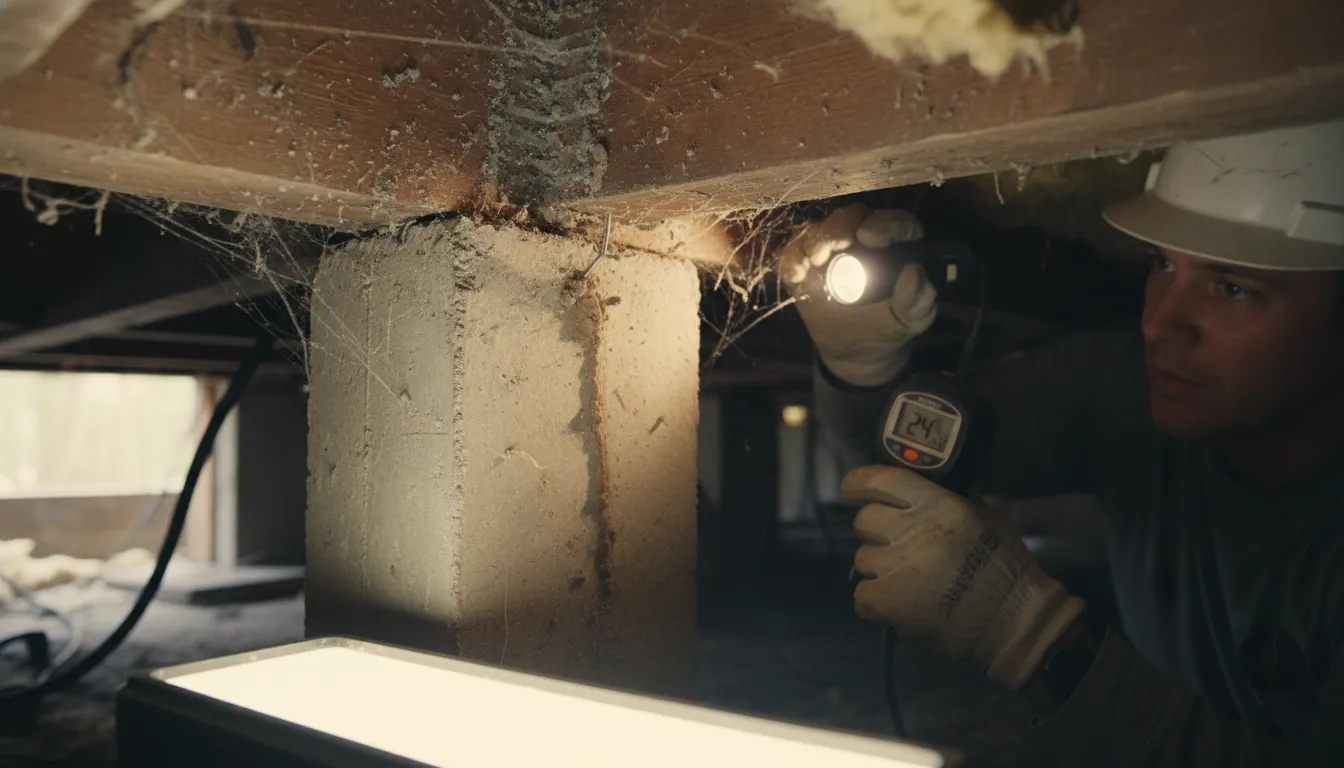
A typical termite inspection in Midland takes one to two hours, depending on your home's size and layout. The inspector will need access to all areas of your home, including closets, the attic, and the crawl space. They will use tools like flashlights, moisture meters, probes, and ladders to conduct a thorough examination 10. You are encouraged to accompany the inspector to ask questions and see any potential issues firsthand. After the inspection, the professional should provide a verbal summary and a detailed written report outlining their findings, any evidence of termites, and recommendations for corrective actions or treatments.
How Often Should You Get an Inspection?
For homeowners in Midland, an annual termite inspection is a wise preventative measure. Given the region's susceptibility, yearly checks help catch problems early. You should also schedule an inspection immediately if you notice any of the signs mentioned above, before purchasing a home, or if a neighboring property reports a termite infestation.
Choosing a Qualified Inspector in Midland
When selecting a professional for your termite assessment, ensure they are licensed by the Texas Department of Agriculture for structural pest control 11. Look for companies with certified termite inspectors who have specific experience with both subterranean and drywood termites common to West Texas. Ask about the scope of their inspection, what their report includes, and whether they carry errors and omissions insurance. Reading local reviews and getting multiple quotes can also help you find a reliable and thorough inspector.
Frequently asked questions
Sources
Footnotes
-
What Does a Termite Inspector Look For? - Orkin - https://www.orkin.com/pests/termites/what-a-termite-inspector-does ↩
-
What Does A Termite Inspector Look For? - AG Pest Control - https://www.agpest.com/what-does-a-termite-inspector-look-for/ ↩
-
How To Tell Termites Apart! - https://www.youtube.com/watch?v=ZMvu3TVXxpU ↩
-
WDI/Termite inspections from one inspection company! - https://www.doublecinspection.com/termite--pest-control-options.html ↩
-
Subterranean Vs Drywood Termites in Texas - iPest Pros - https://ipestpros.com/subterranean-vs-drywood-termites-in-texas-understanding-the-key-differences/ ↩
-
Termites in Texas: Where They Live & How to Get Rid of Them - https://a-z-animals.com/blog/termites-in-texas-where-they-live-how-to-get-rid-of-them/ ↩
-
How Much Is a Termite Inspection? Complete Cost Overview - https://www.homelight.com/blog/how-much-is-a-termite-inspection/ ↩
-
How Much Does a Termite Inspection Cost? - https://patriotinspect.com/how-much-does-a-termite-inspection-cost/ ↩
-
Should I Get a Termite Inspection When Buying a Home in Texas? - https://www.bugco.org/blog/2014/january/getting-a-termite-inspection-when-buying-a-home/ ↩
-
What to Expect When We Perform a Termite Inspection in Your ... - https://cititurf.com/blog/what-to-expect-when-we-perform-a-termite-inspection-in-your-home/ ↩
-
Termite FAQs - Texas Department of Agriculture - https://texasagriculture.gov/Regulatory-Programs/Pesticides/Structural-Pest-Control-Service/Termite-Fumigation-Applications/Termite-FAQs ↩